Routes through the collection.
Short journeys that connect works through details you can actually see, with a question to carry from one to the next.
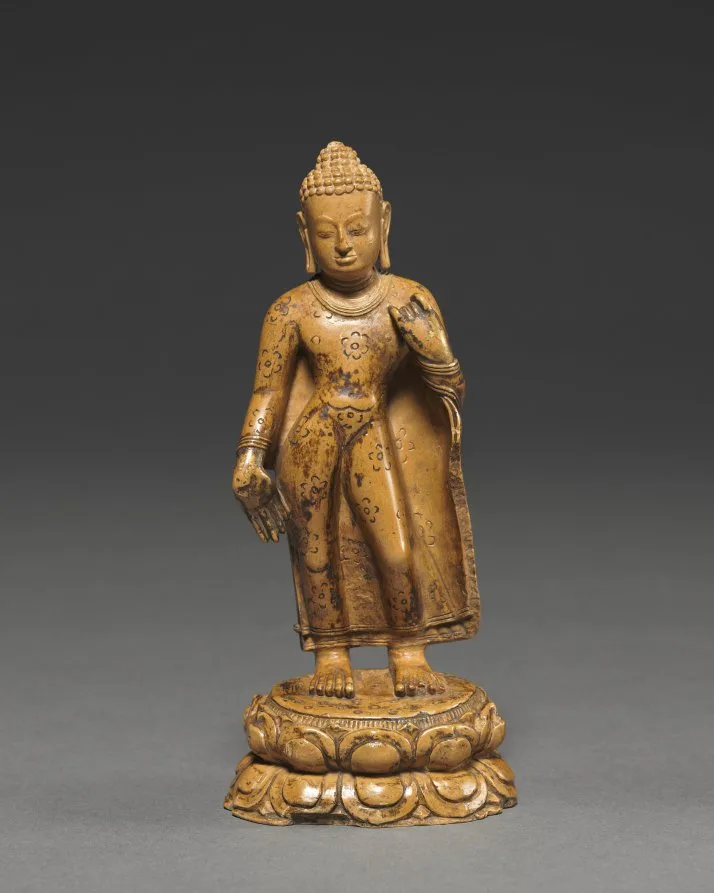
Hands that speak ↗
A gesture is a clue, not a universal language.
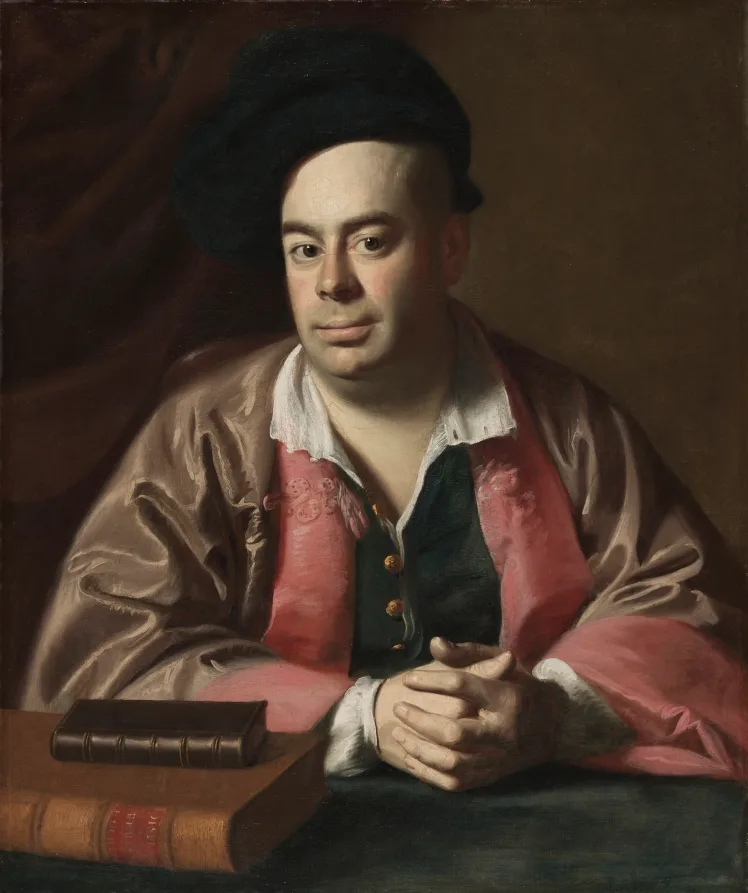
Dressed to be seen ↗
Clothing, adornment and the making of a public self.
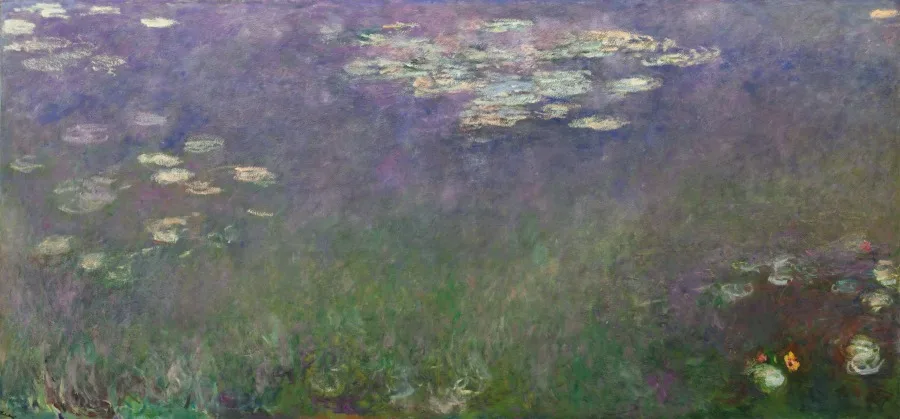
Nature without a dictionary ↗
Flowers, birds and animals change meaning with context.
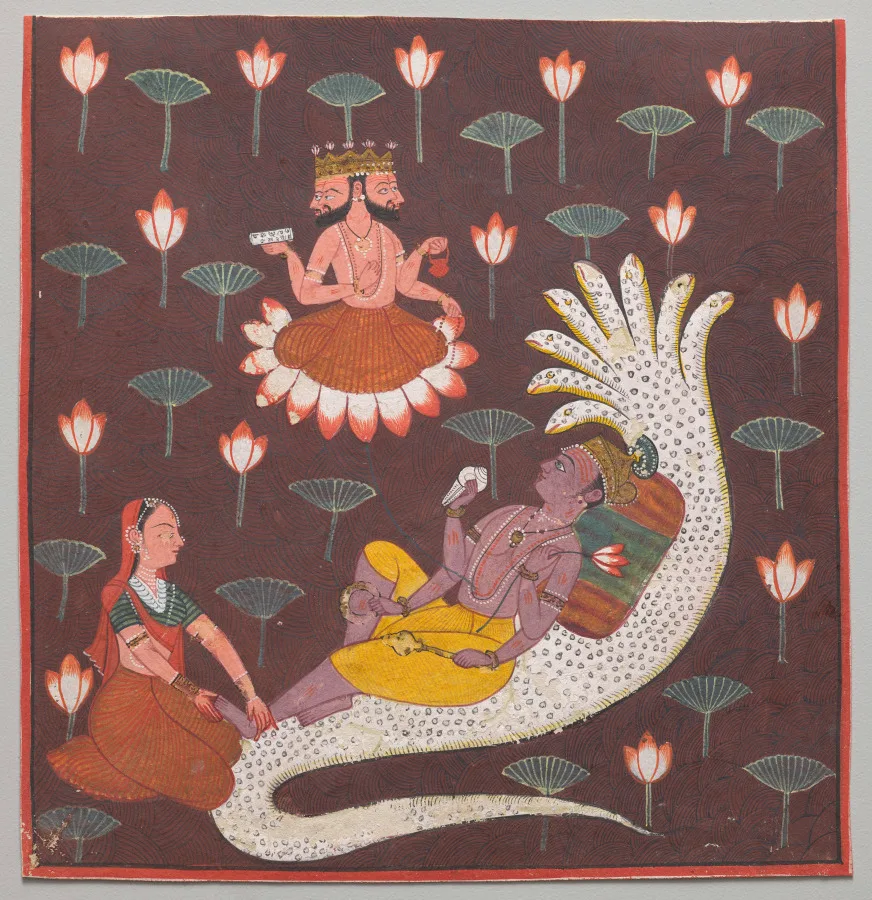
How stories unfold ↗
Find the route through an image before reading the ending.
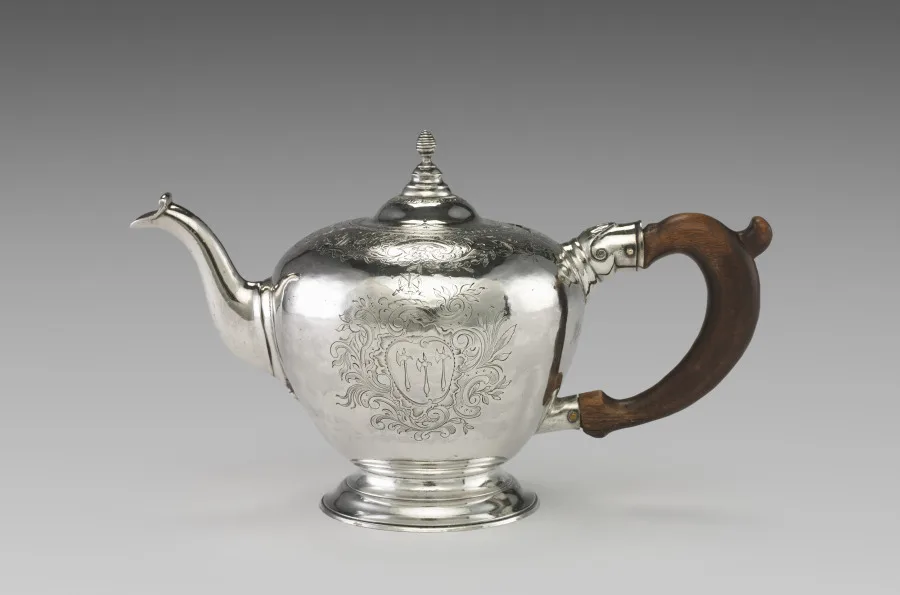
Made, not just shown ↗
Let the material change the questions you ask.
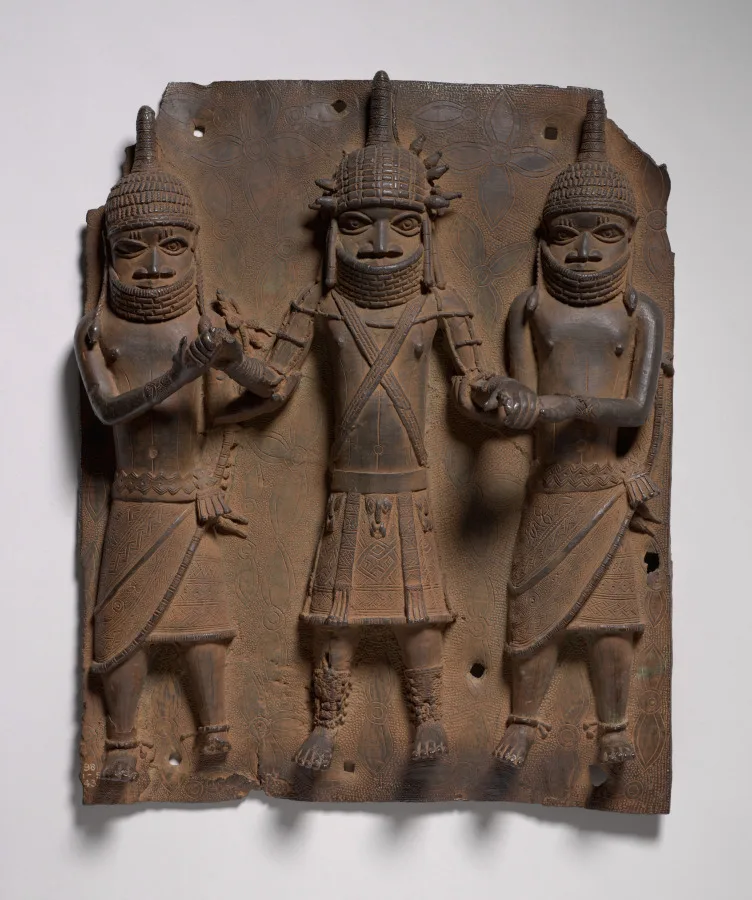
Pictures and power ↗
Who is made visible, and on what terms?
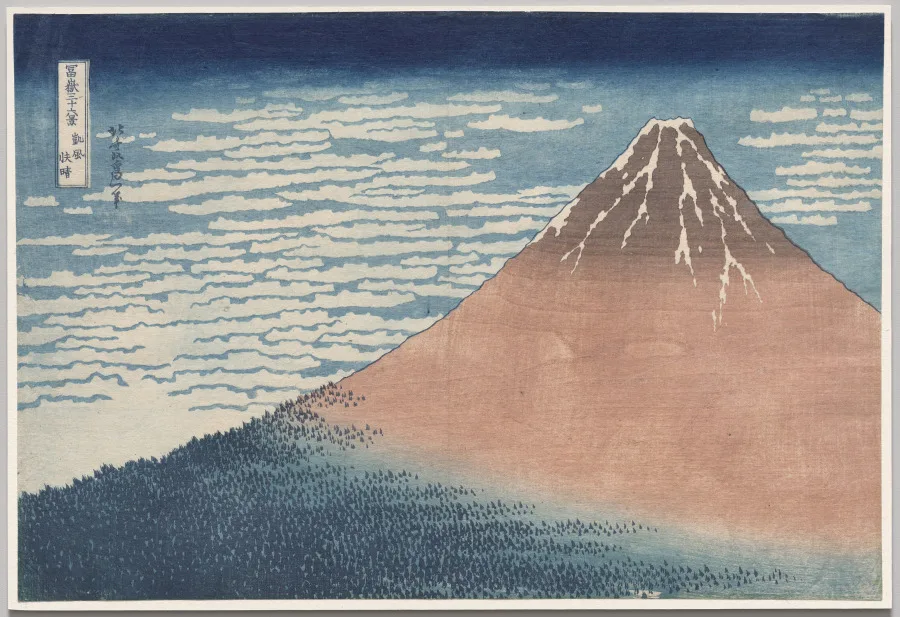
Ways of making space ↗
A view is constructed, not simply copied.
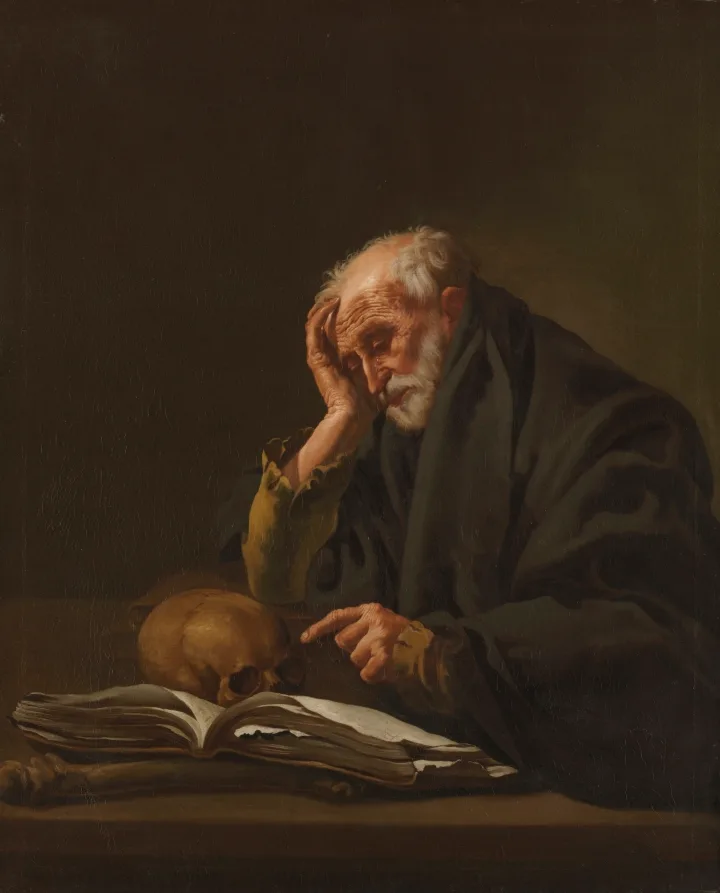
The art of looking again ↗
Practise leaving room for what you do not know.
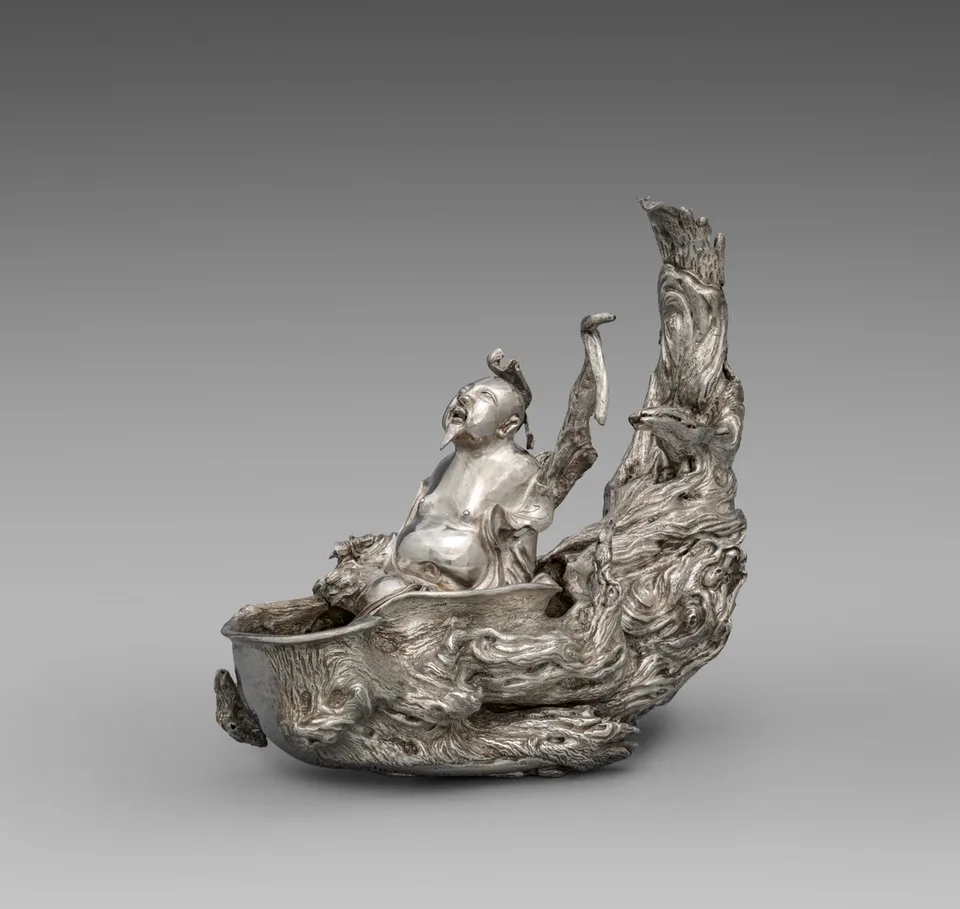
A container can become a world ↗
Five ways to make a useful cavity worth looking into.
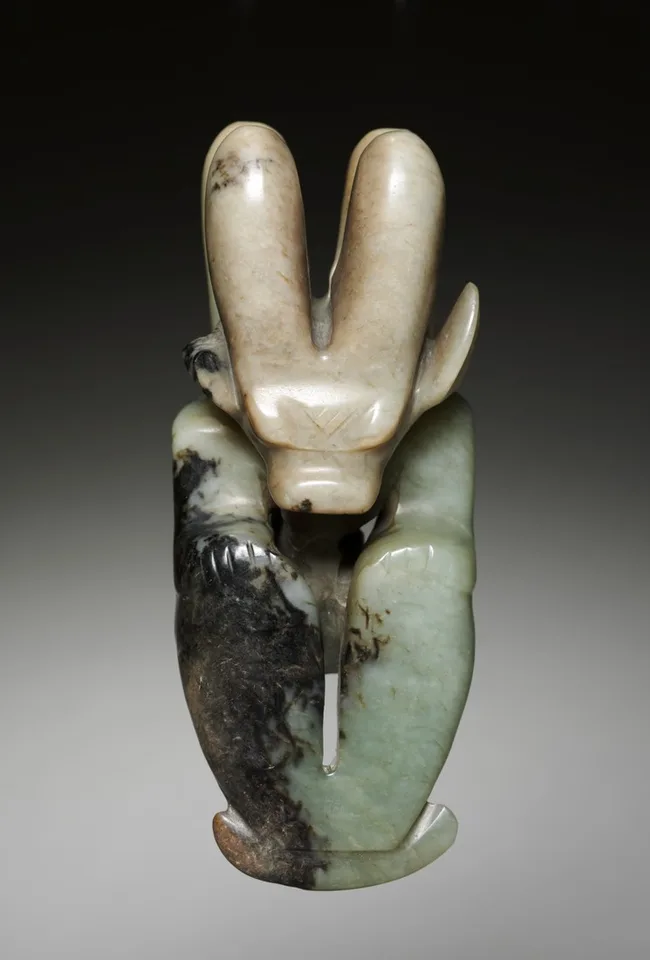
Protection through a face ↗
Threatening images with different kinds of evidence.

Landscape on changing supports ↗
Refuge, poetry, travel, paradise and a porcelain river.
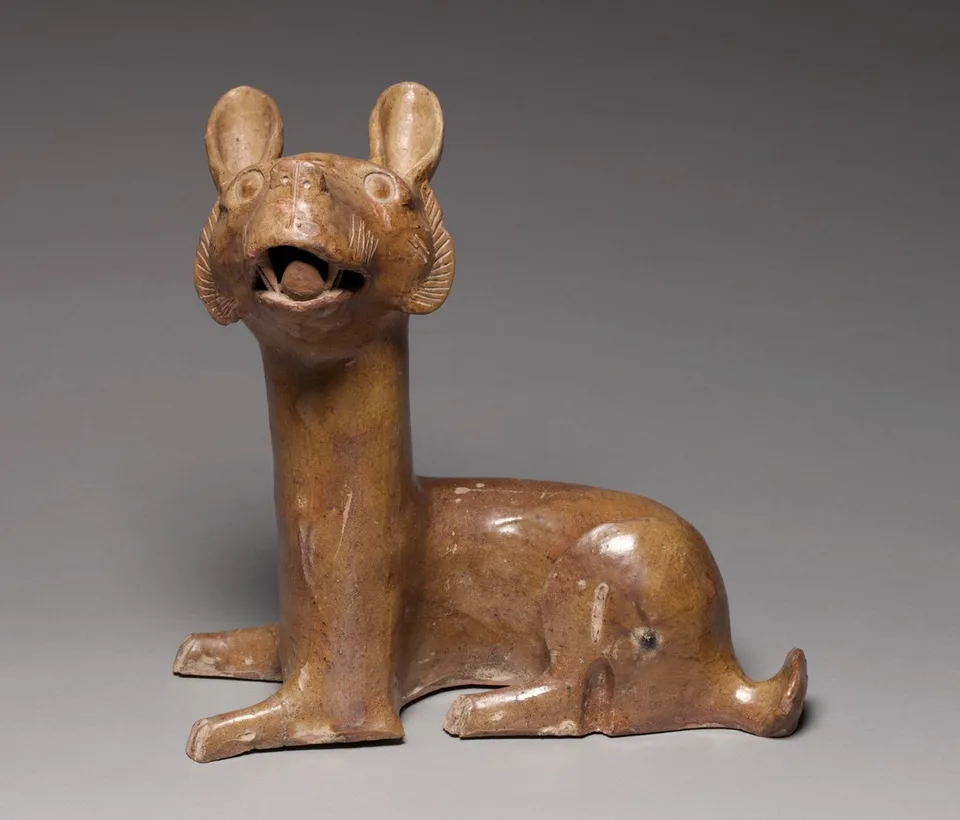
Animals as particular objects ↗
Observation, symbolism, equipment and storage.
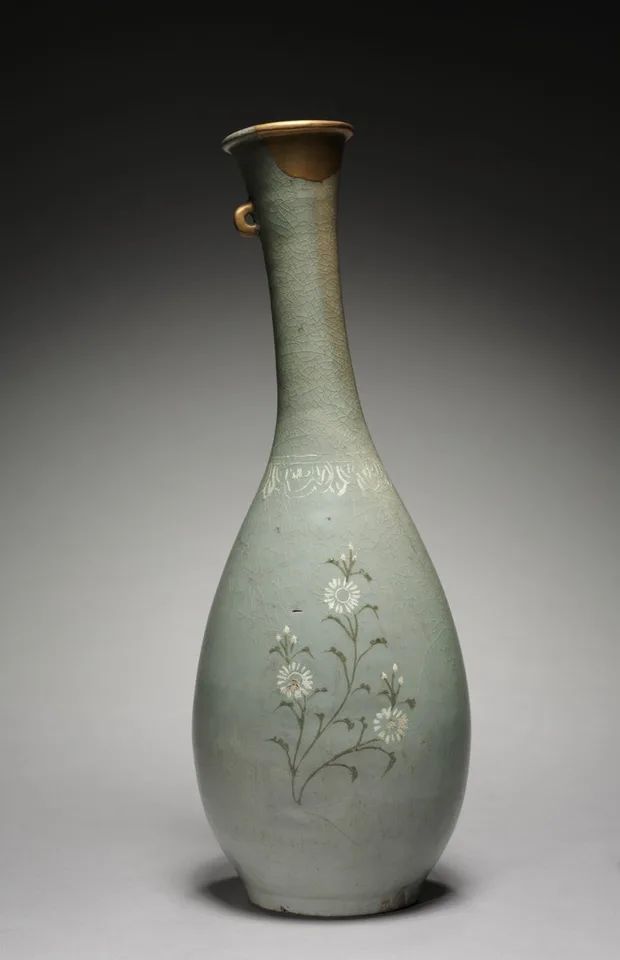
Objects with more than one life ↗
Repair, reconstruction, deliberate irregularity and represented possessions.
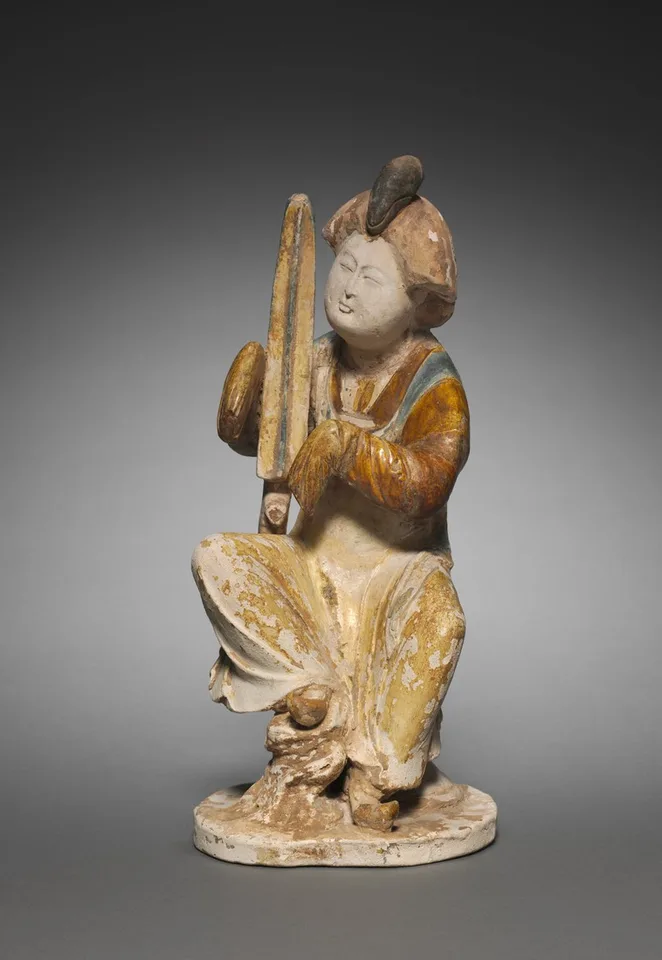
Performance and attentive bodies ↗
Music, masks, games, rural humour and a narrative robe.
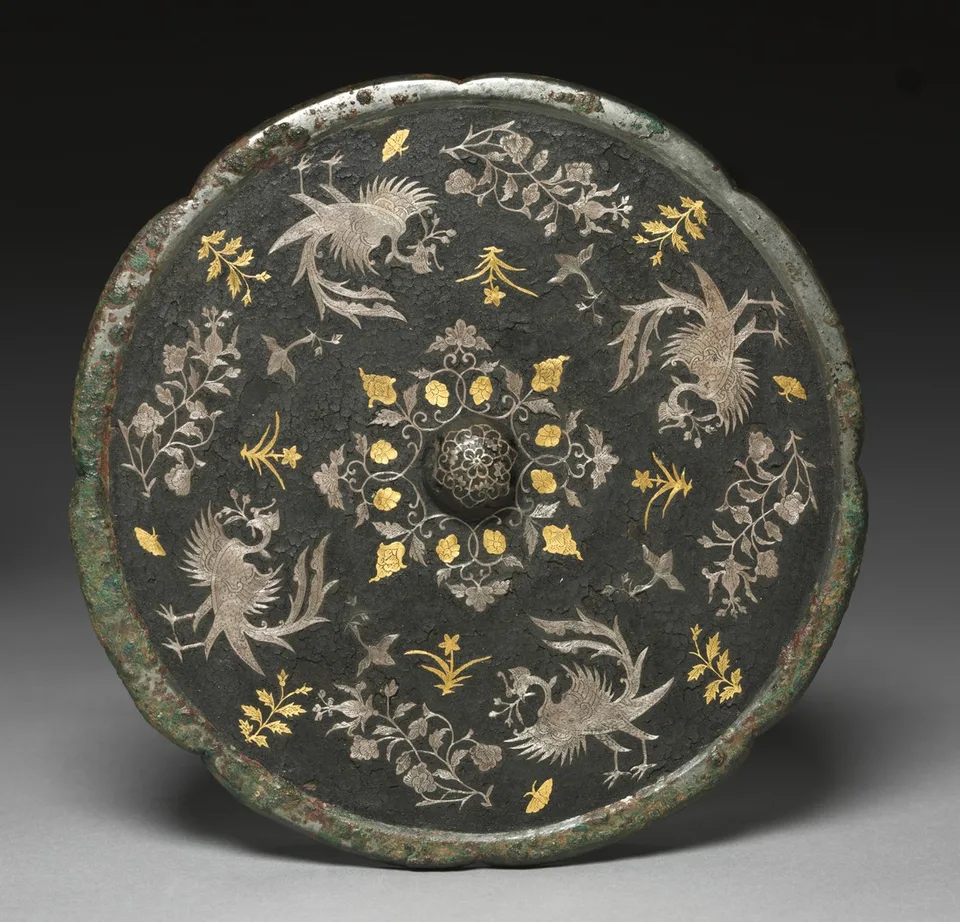
Objects across cultural settings ↗
Different evidence for travel, exchange and representation.
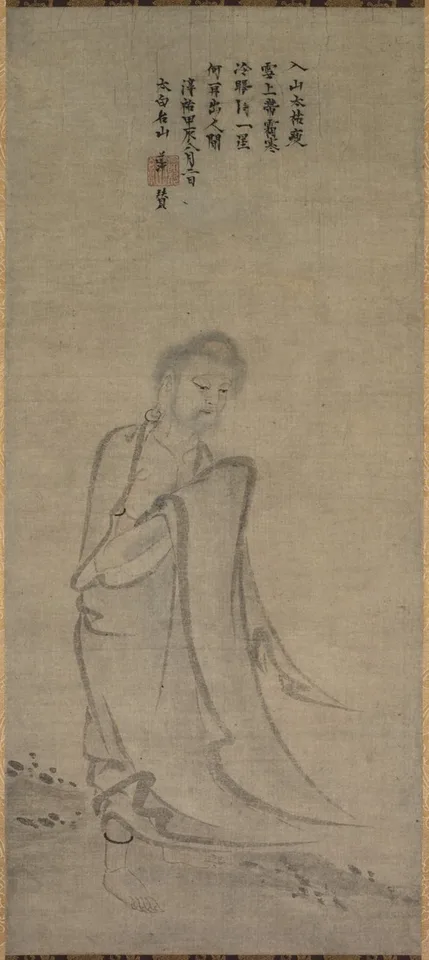
Teaching through images and texts ↗
Six different relationships between figure, story, writing and spiritual authority.
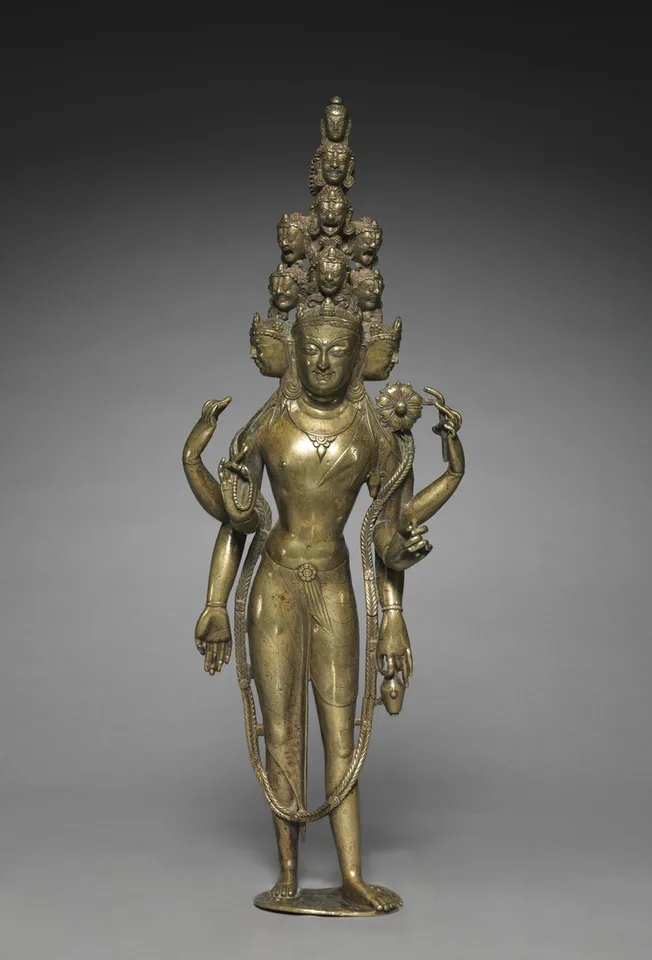
More than one human capacity ↗
Multiple heads, arms, gestures and forms.
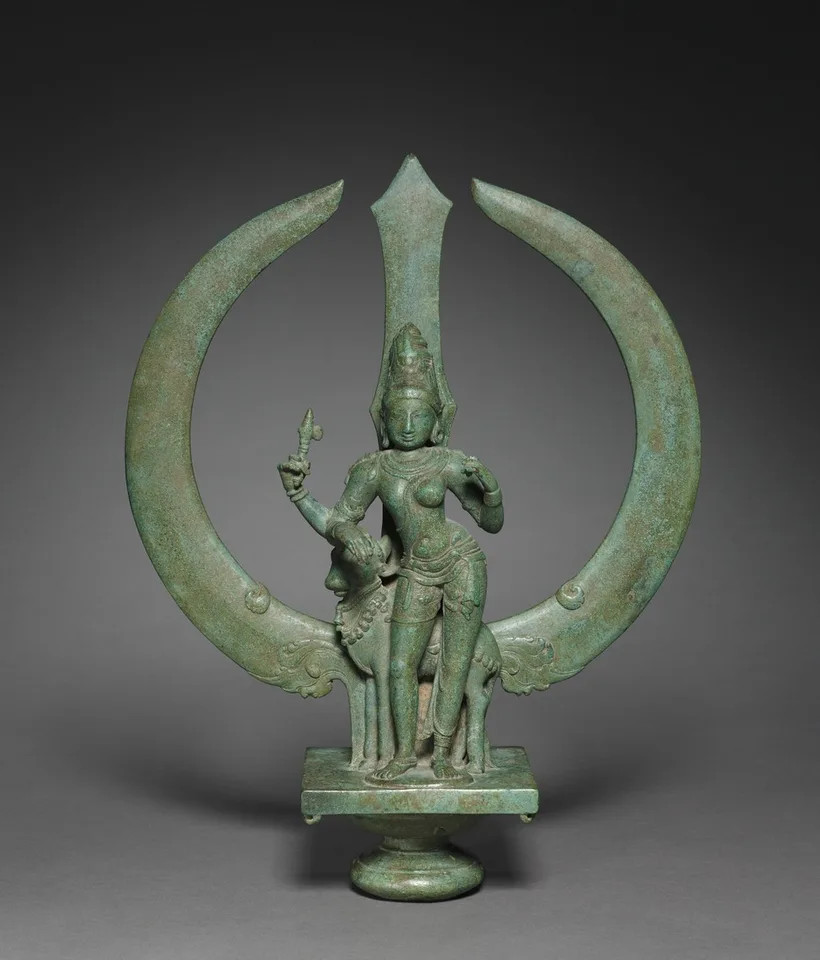
Sacred forms and built settings ↗
Weapons, dance, thresholds and ceremonial transport.
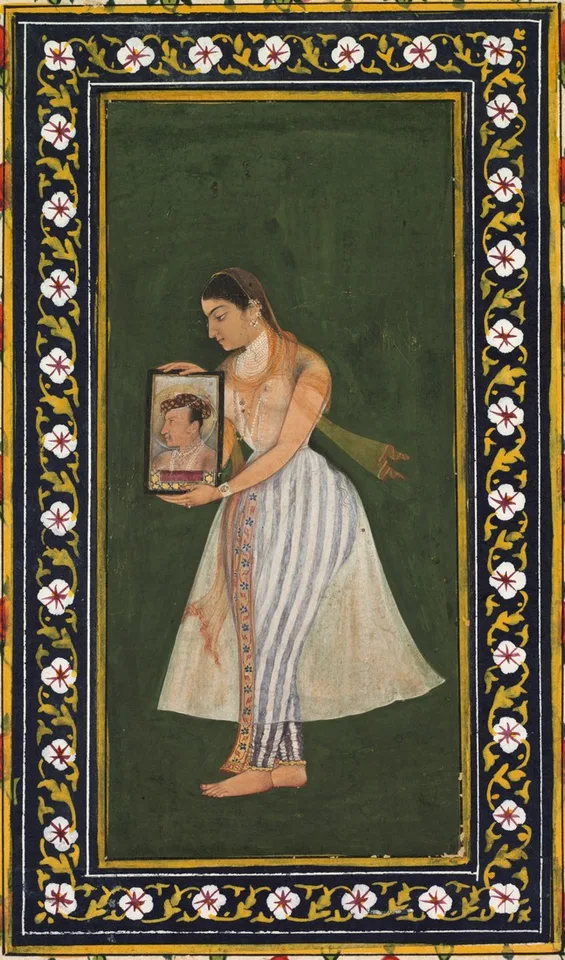
Portraits, roles and revisions ↗
People represented through authority, action, costume and selective detail.
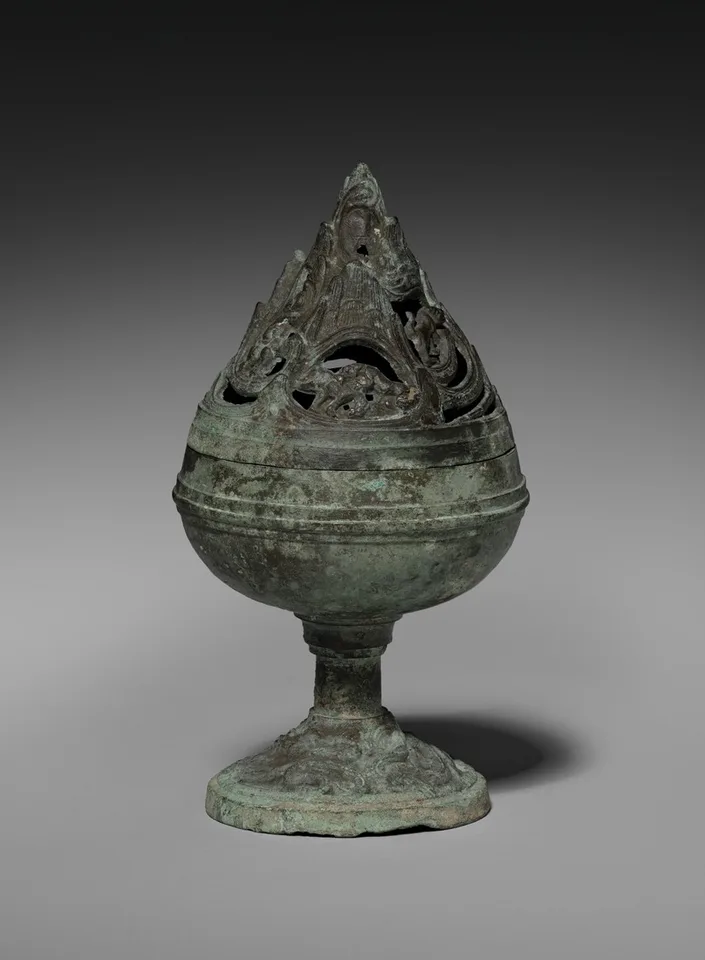
Ritual beyond the visible surface ↗
Smoke, sound, containment and suspended ceramic.
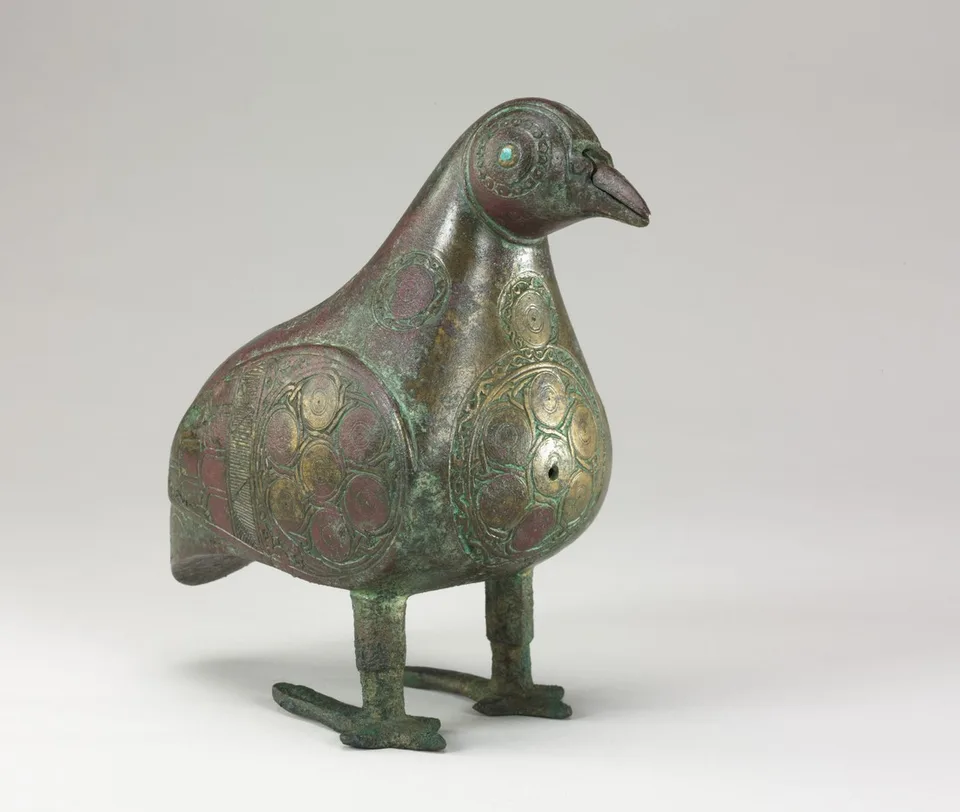
Creatures between pattern and action ↗
Animal vessels, courtly sport and deliberately unstable forms.
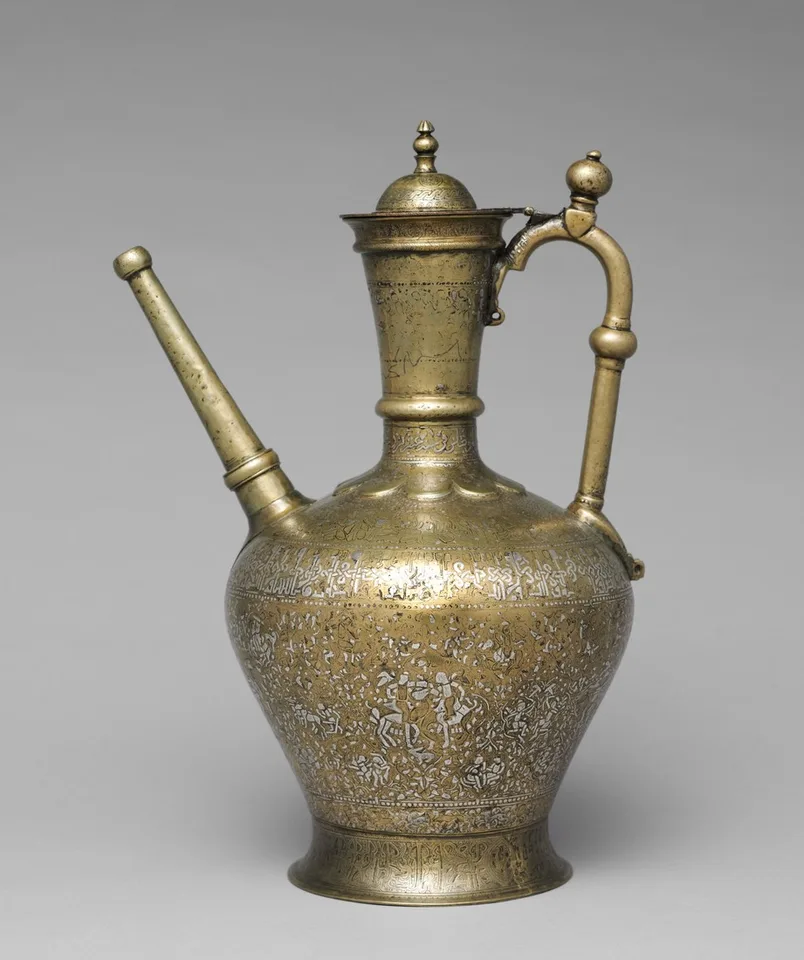
Marks that do different jobs ↗
Good wishes, coloured figures, a mechanical diagram and unread signs.
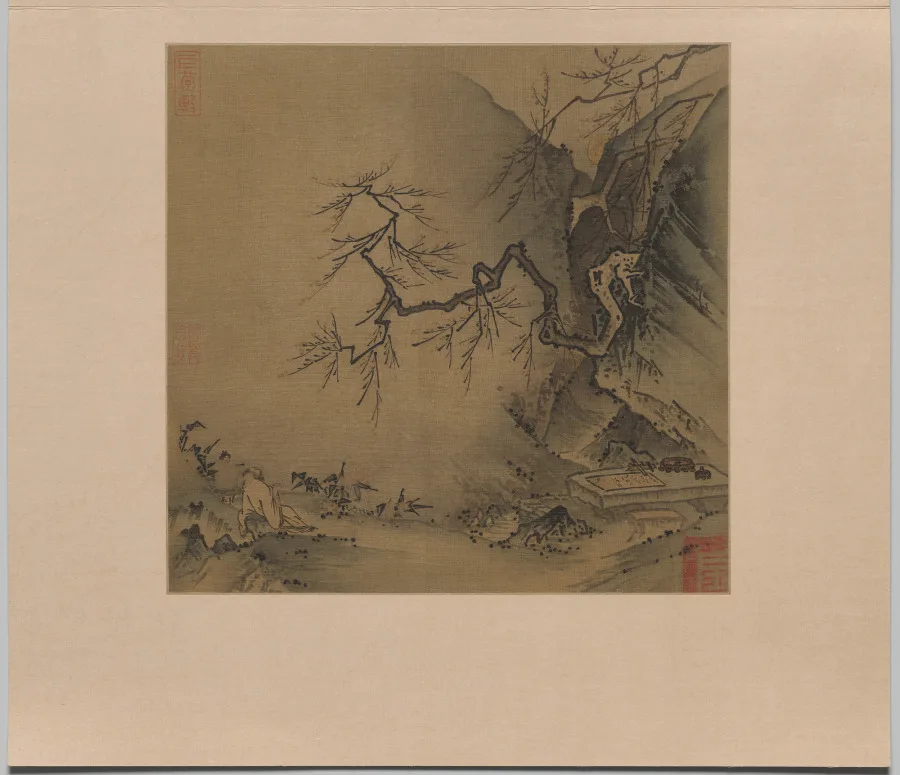
Landscapes of attention ↗
Small figures, selected branches, and remembered places.
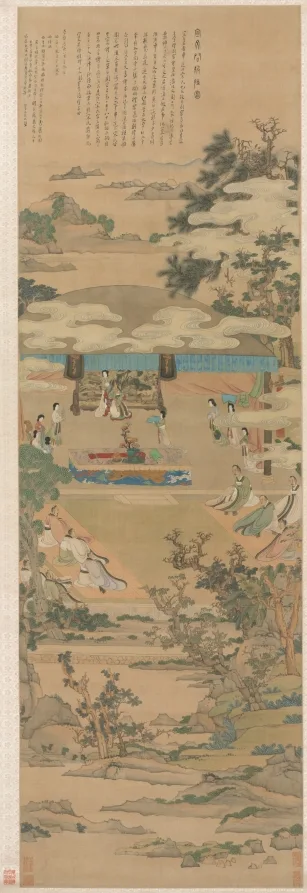
Reading a public face ↗
Portraits, historical exemplars, roles, and imposed labels.
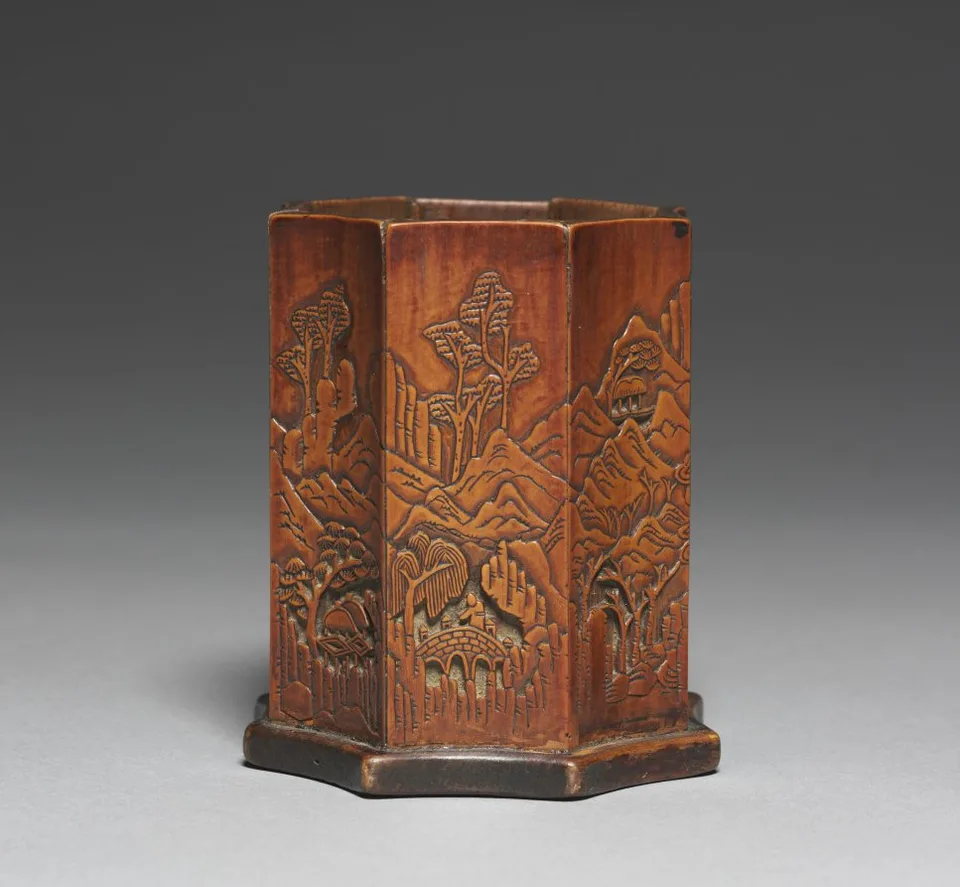
Objects near the hand ↗
Tools and containers carry pictures, writing, and social identities.
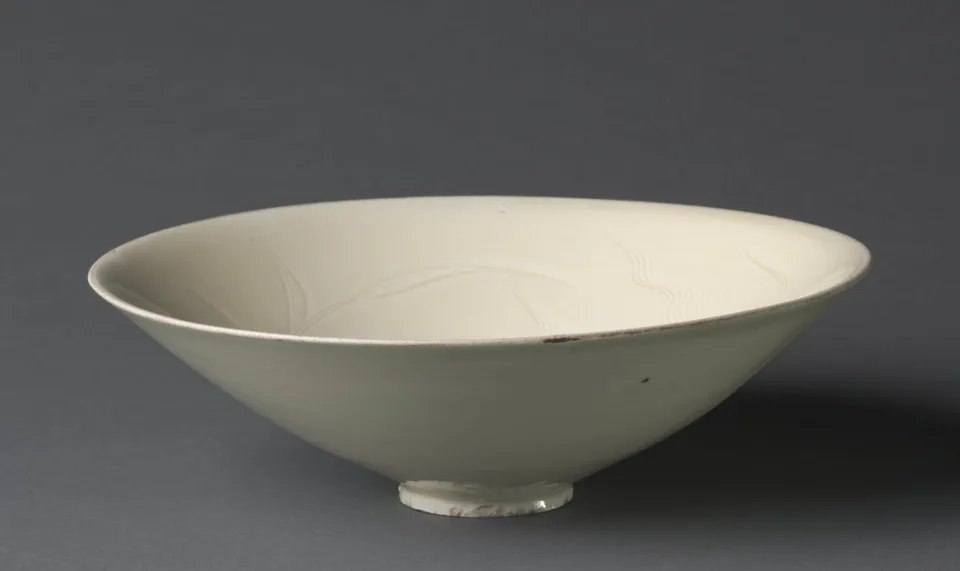
Six ceramic surfaces ↗
Incision, glaze, inlay, painting, and useful form.
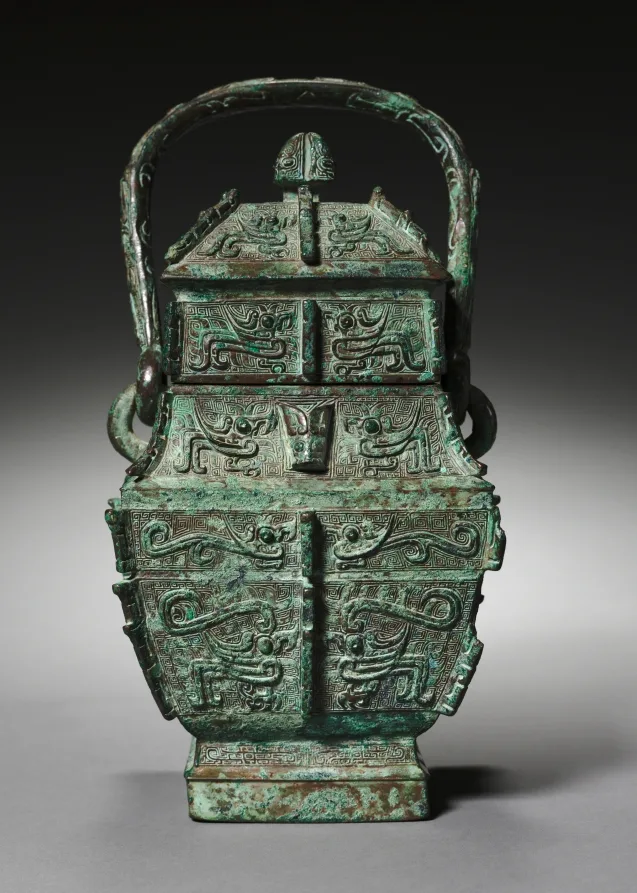
Ritual form and sound ↗
Four objects whose outlines connect use, authority, and ceremony.
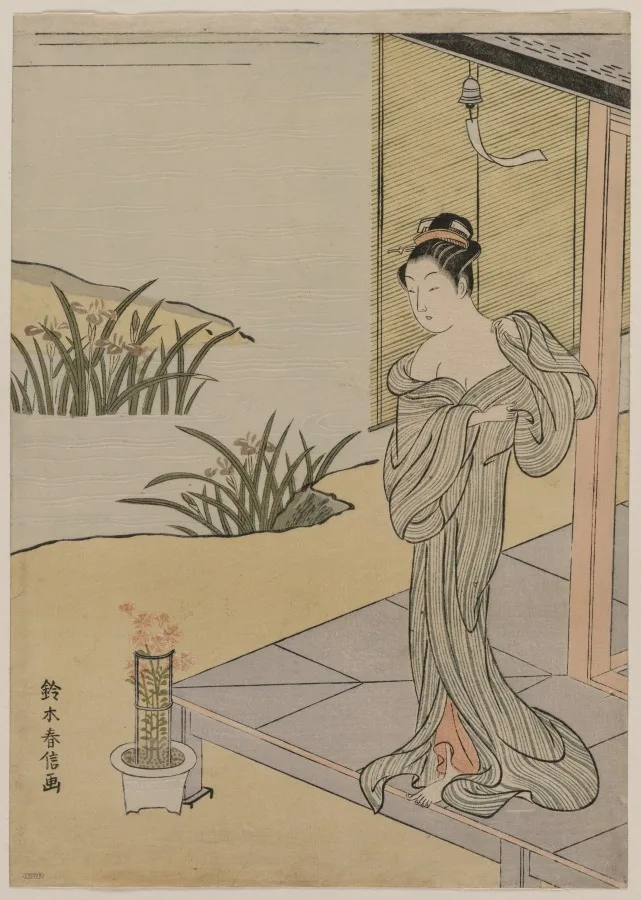
Air, work, and season ↗
Small gestures make atmosphere and activity visible.
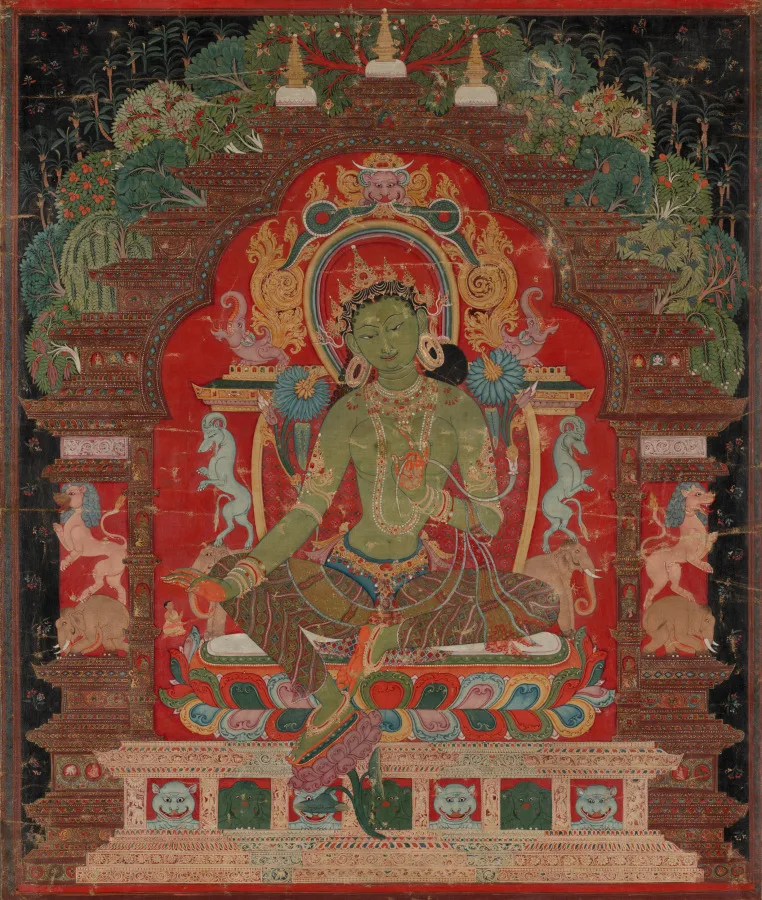
Deities, donors, and survival ↗
Identity depends on attributes, context, and what remains.
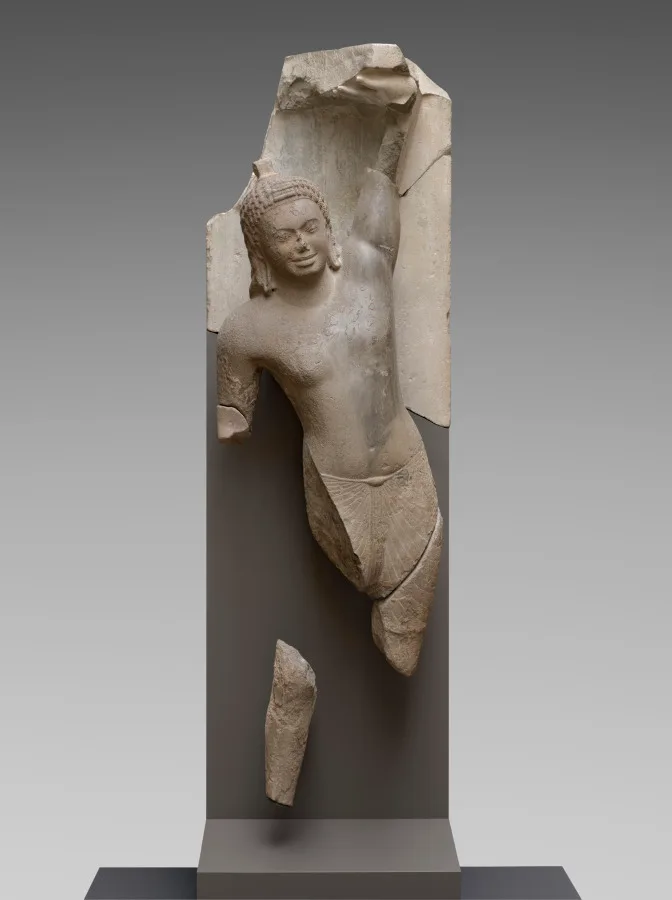
Shelter, conflict, and consequence ↗
Narratives organise danger in different ways.
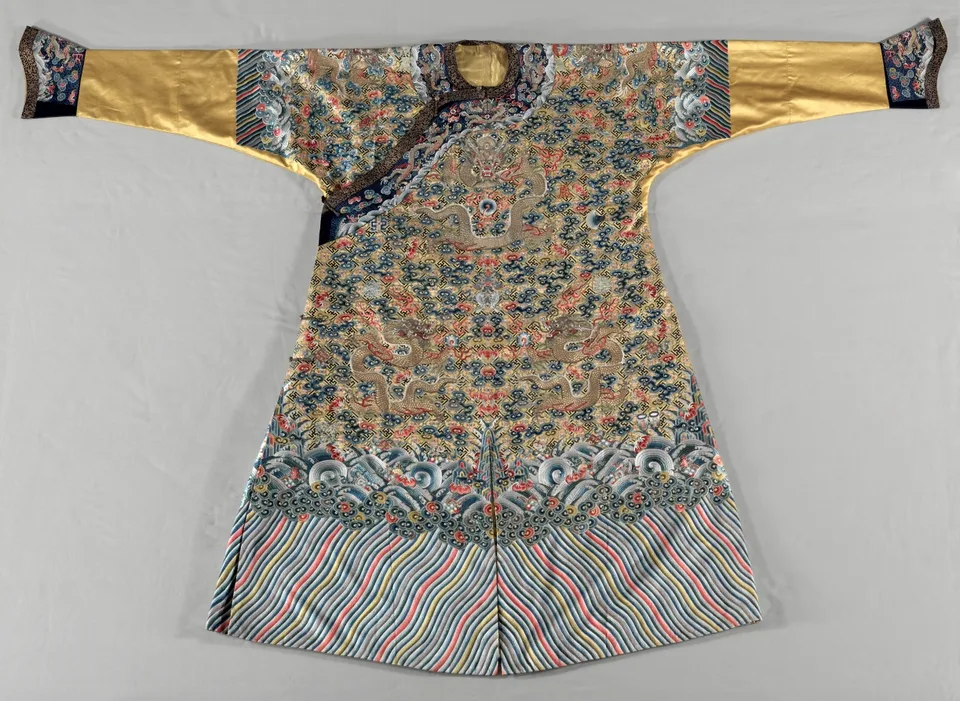
Textiles as designed worlds ↗
Bodies, flowers, gold, and borders share woven surfaces.
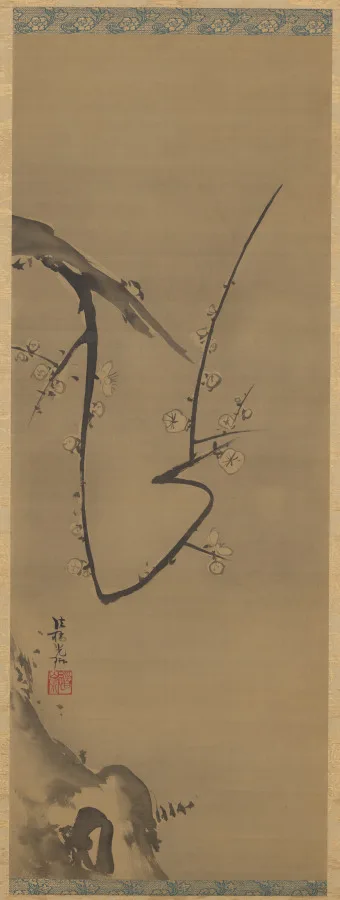
Surfaces set the rules ↗
A scroll, a screen, a dish, and a lamp organise looking differently.
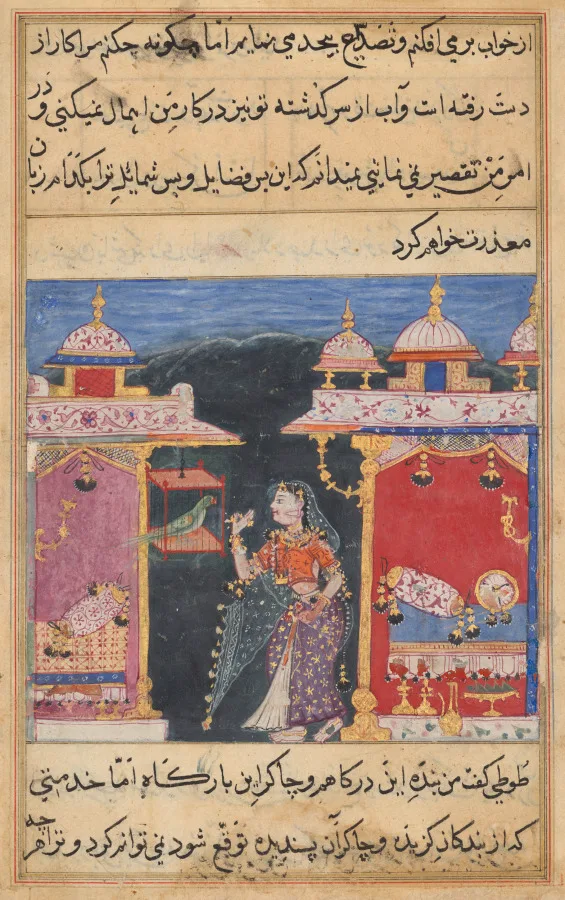
Stories beside writing ↗
Poetry, narration, scripture, and the material page.
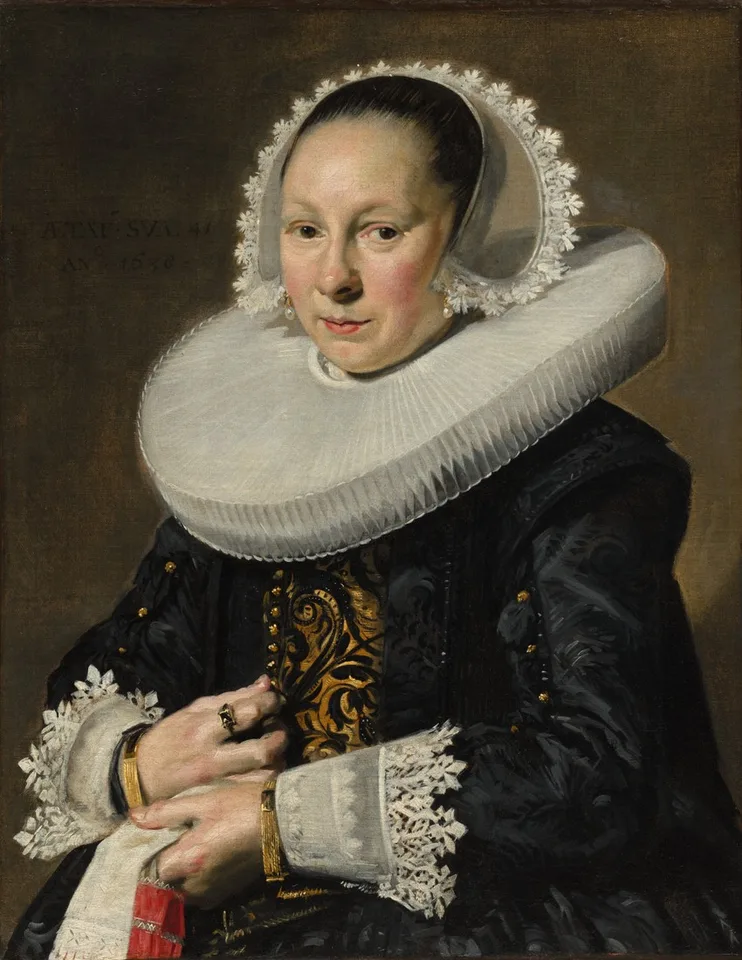
Dress as a portrait language ↗
From a ruff and satin skirt to a loosely drawn shoulder.
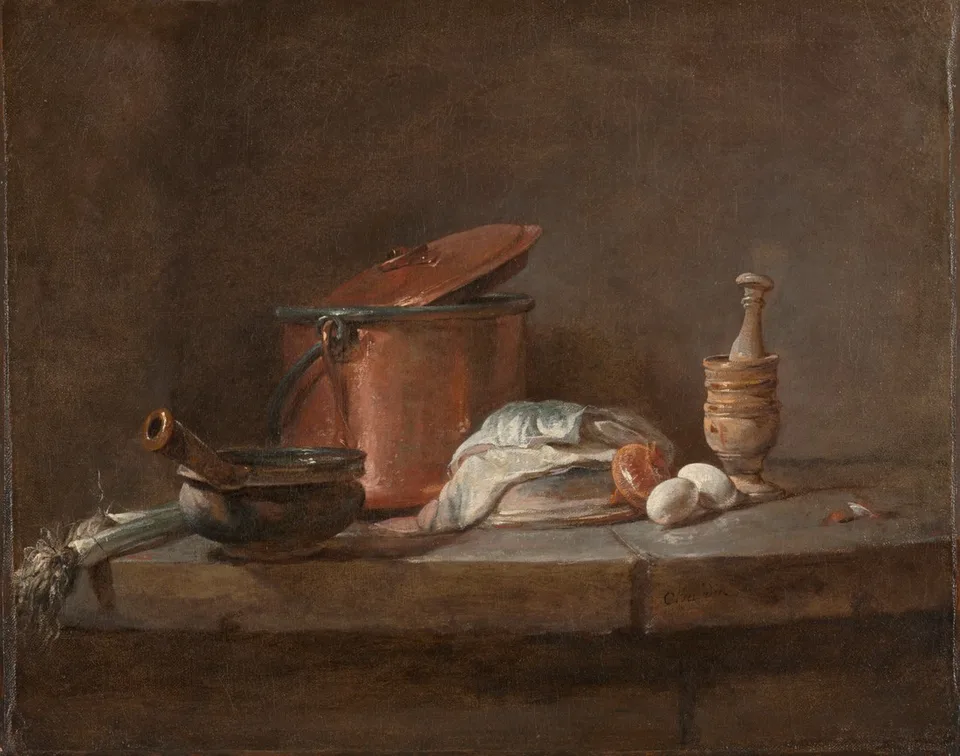
Things on tables and near faces ↗
Fruit, flowers, utensils, and the people who look past them.
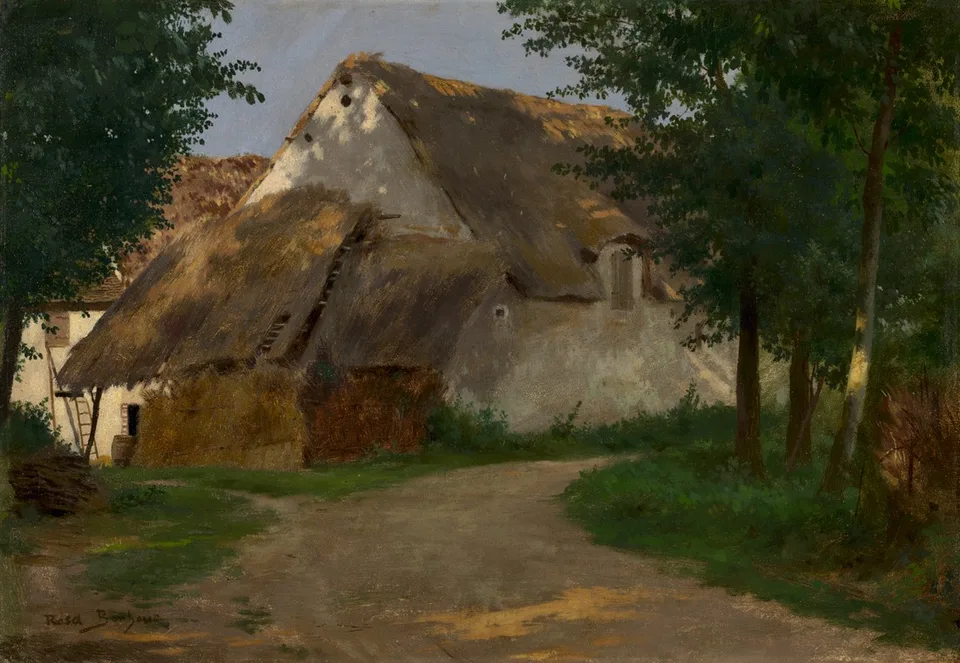
Paths through built landscapes ↗
A farmhouse, a tower, a bridge, and ways into depth.
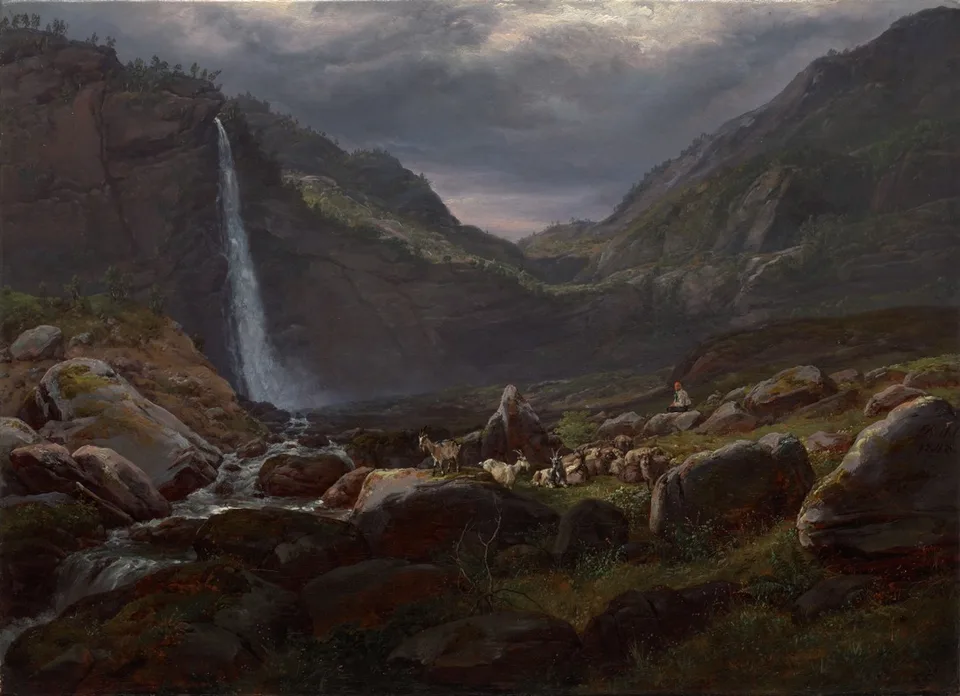
Scale, weather, and inward landscape ↗
From a Norwegian waterfall to a shore shaped by melancholy.
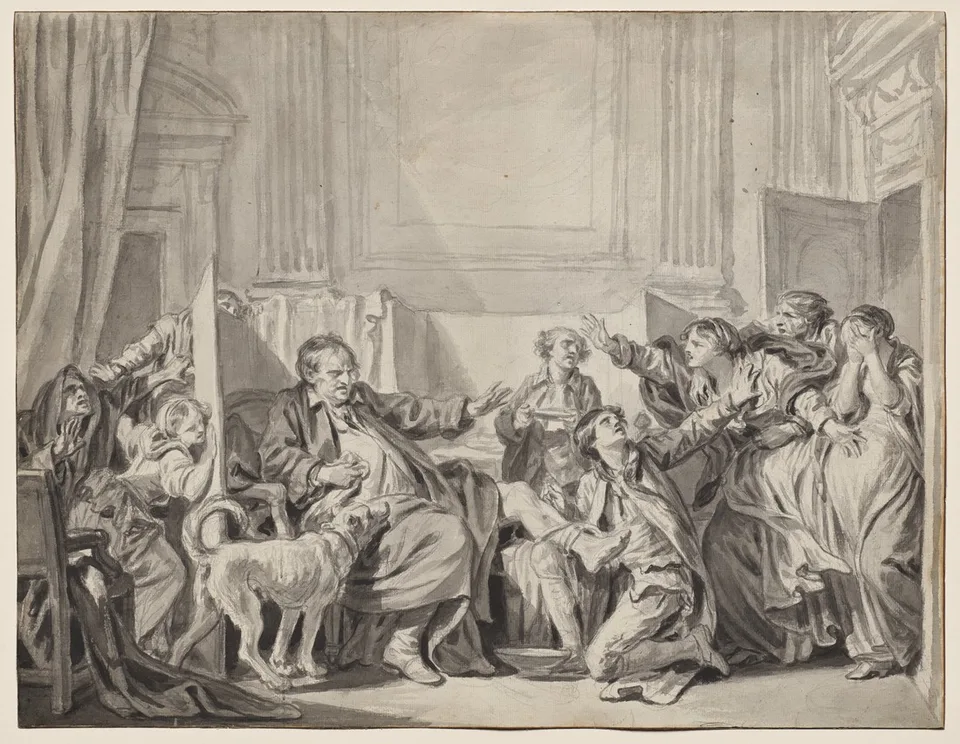
Hands that work and support ↗
Household labor, kinship, accusation, and a stranger’s aid.
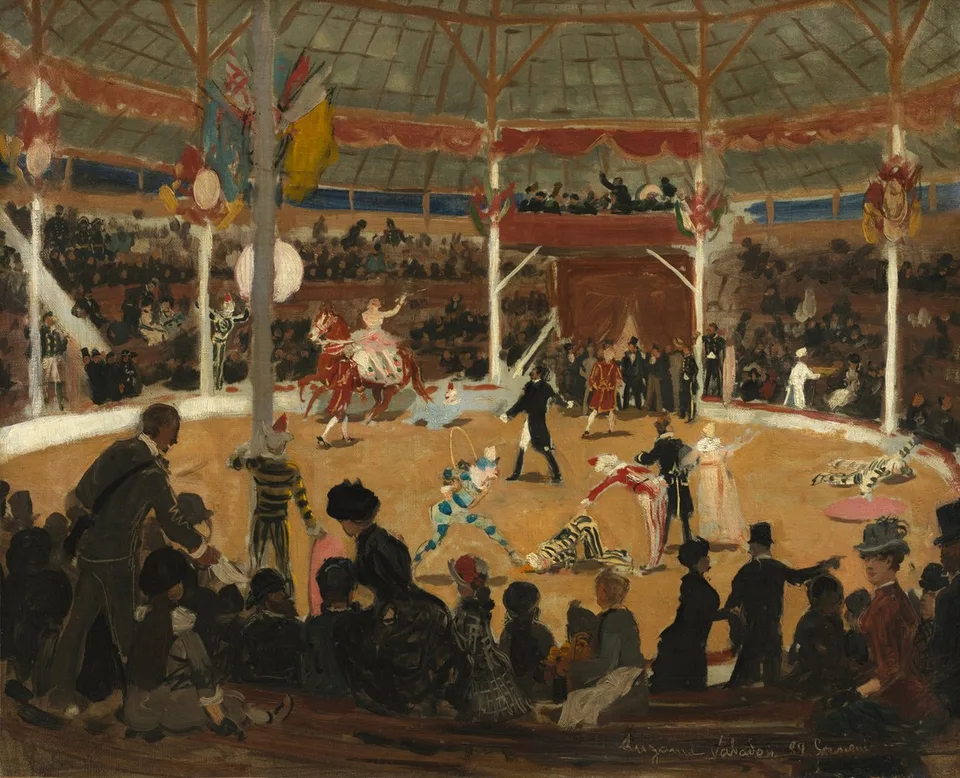
Spaces full of people ↗
Spectators, customers, workers, and a market seen from above.
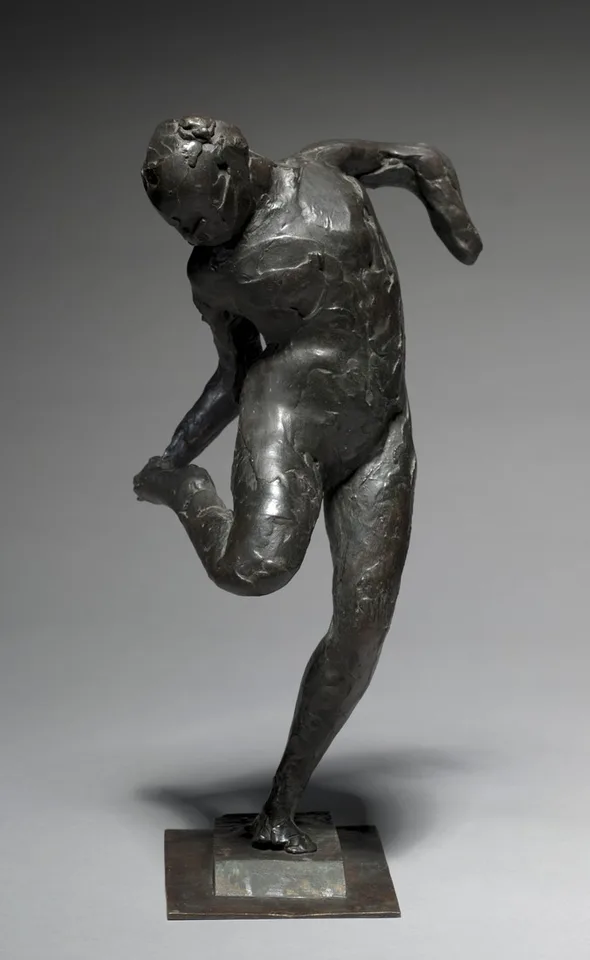
Sculpted bodies and chosen roles ↗
Balance, restraint, informality, and a turn through space.
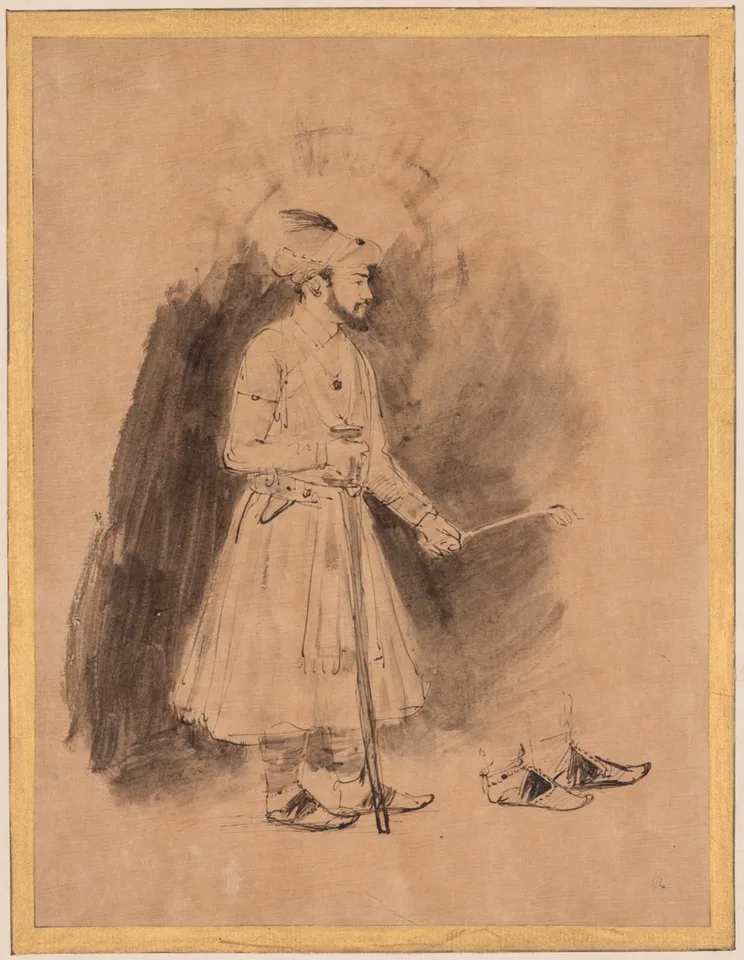
Images and materials in transit ↗
A Mughal miniature, Roman glass, Chinese stoneware, and an English textile design.
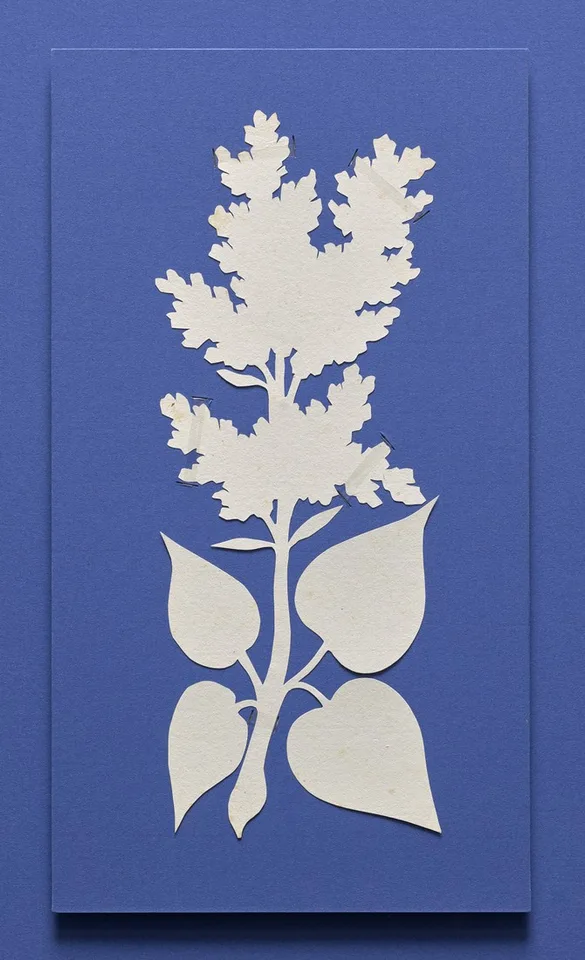
Plants become surfaces ↗
Cut paper, printed linen, glass, horn, and tapestry.
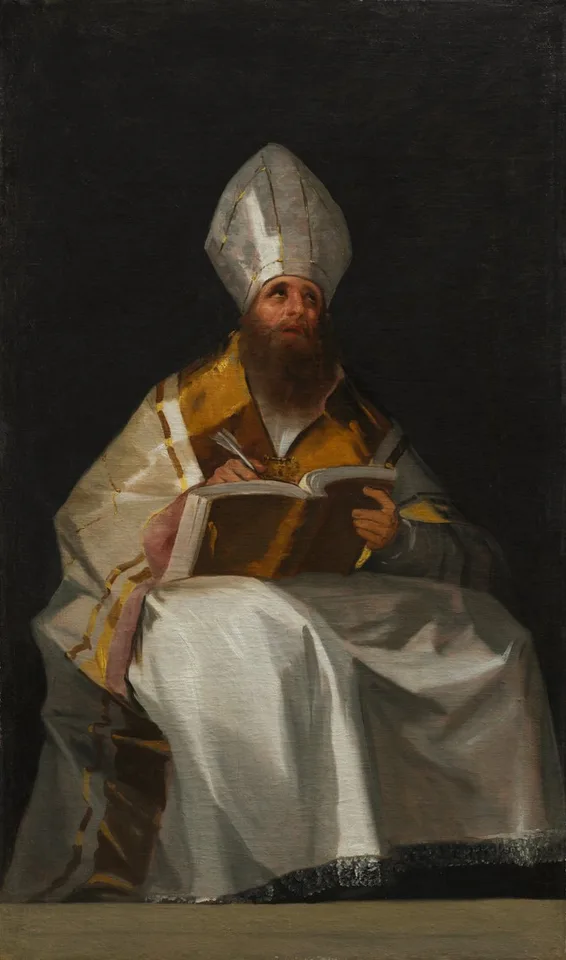
Devotion and original viewing ↗
High walls, intimate plaques, relic shrines, and portable books.
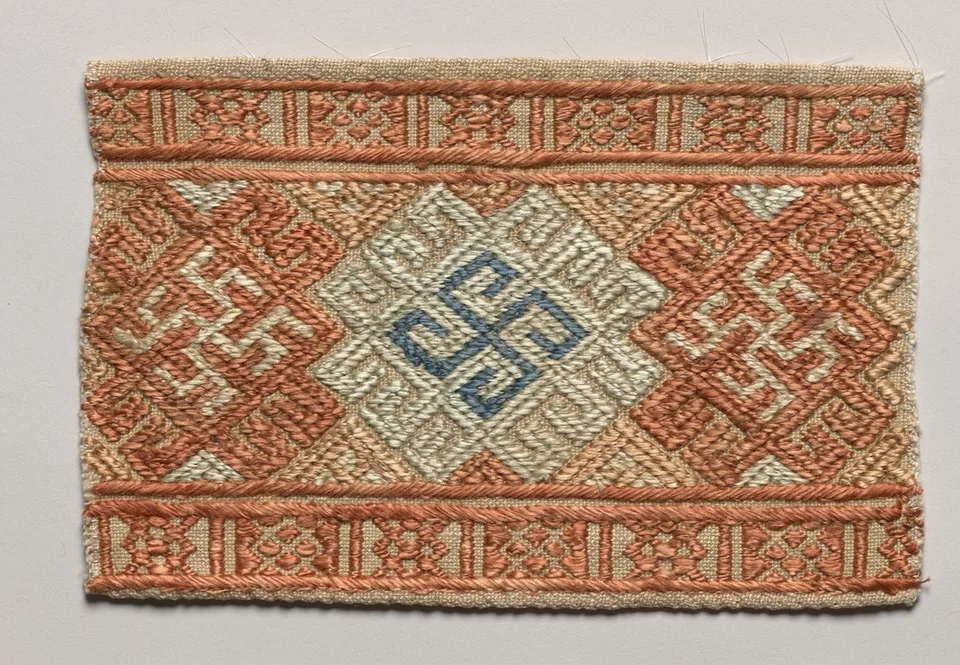
Wearing and displaying belonging ↗
Embroidery, named saints, and an unnamed donor.
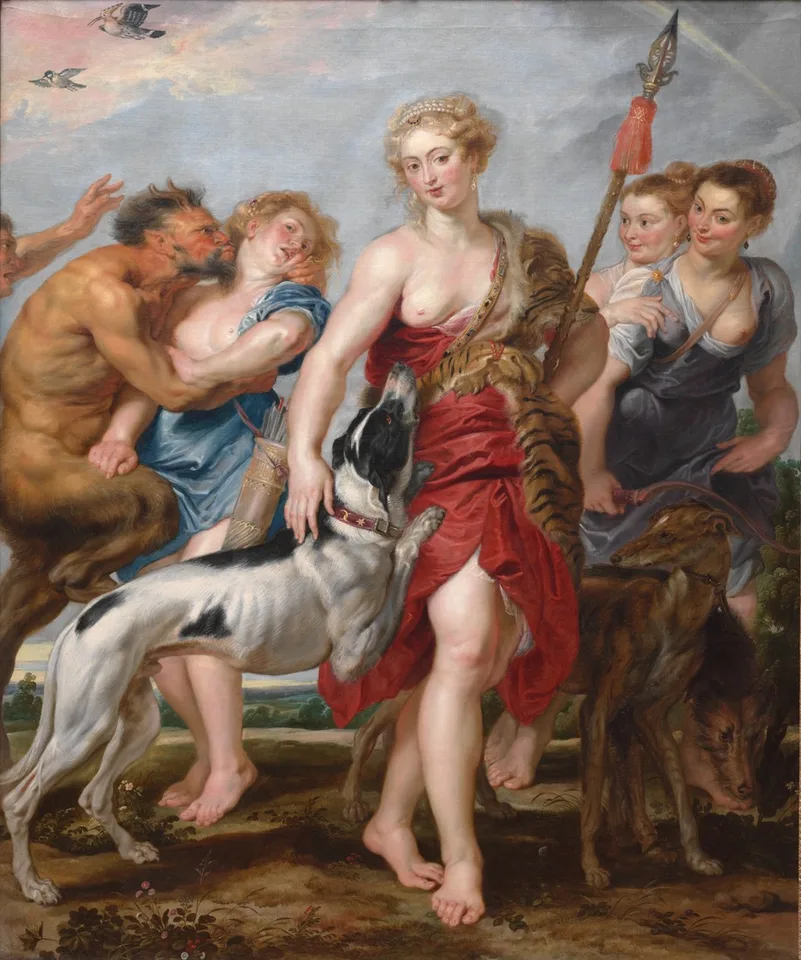
Stories around the table ↗
Myth, political reversal, courtly play, salt, and washing.
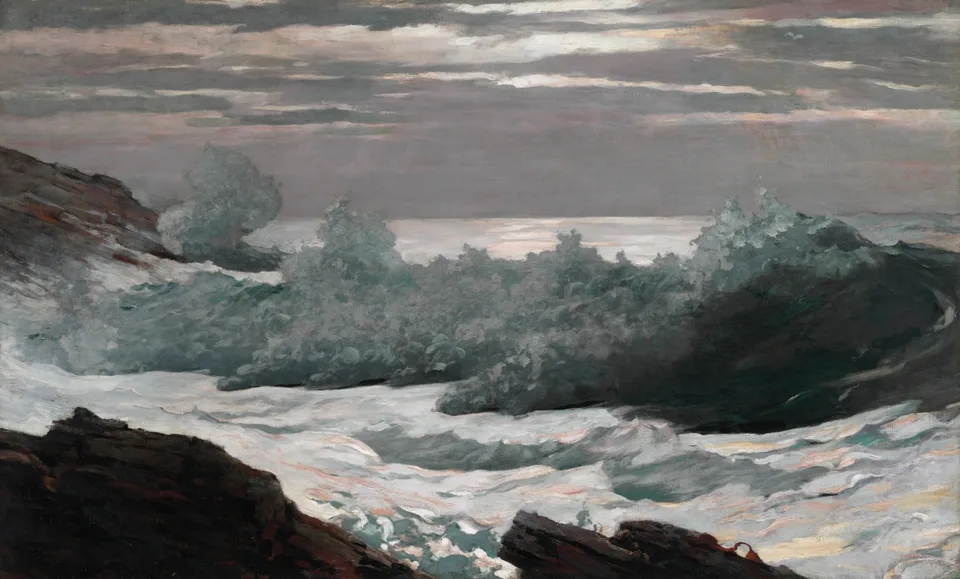
Coasts, gardens, and valleys ↗
Four ways of deciding what a landscape asks us to notice.
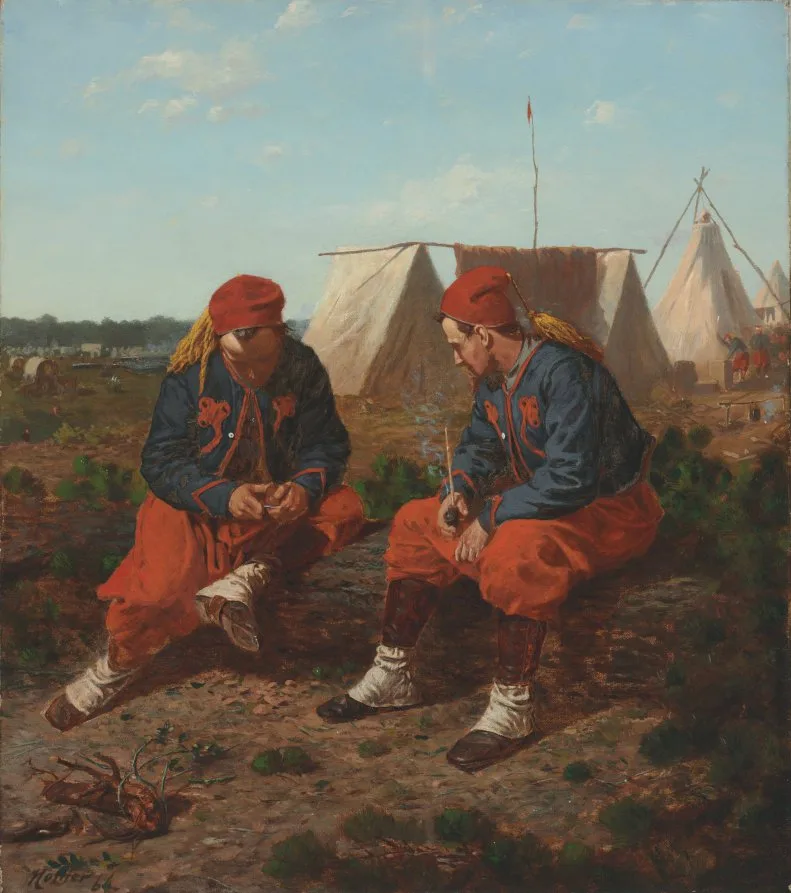
Work, waiting, and company ↗
Shared activities can connect people without making their situations equal.
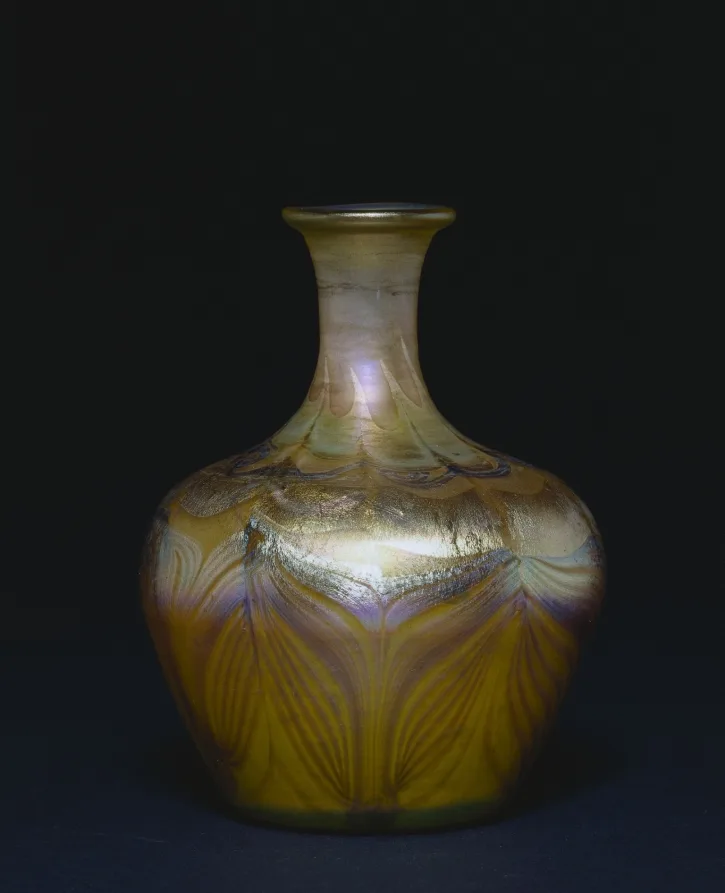
Made to be seen ↗
Glass, furniture, a society portrait, and a boxing ring organize attention differently.
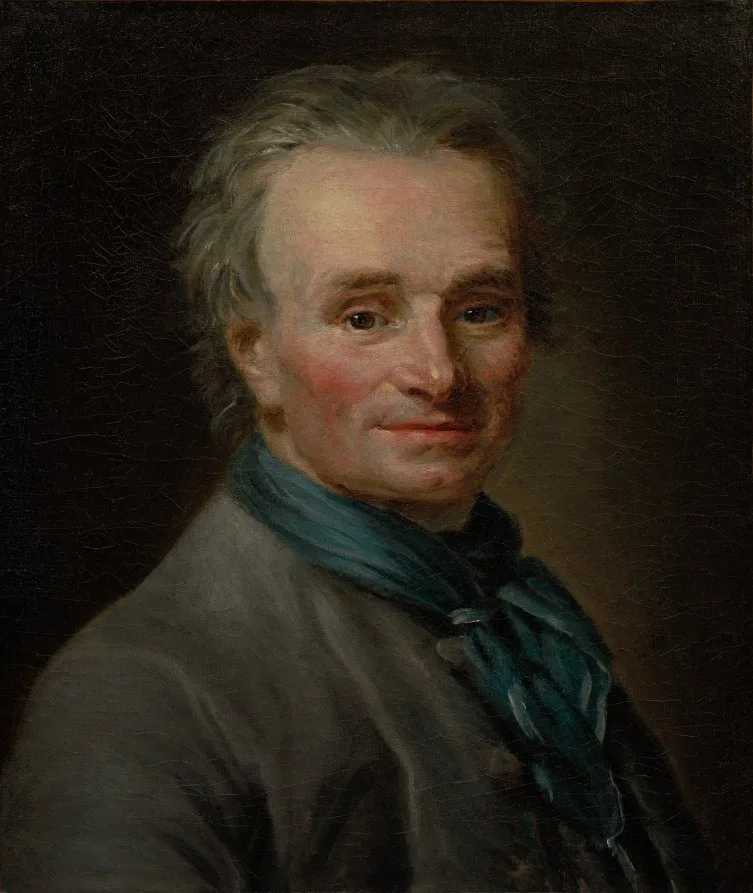
Following attention ↗
Five encounters organised by looking, making and care.
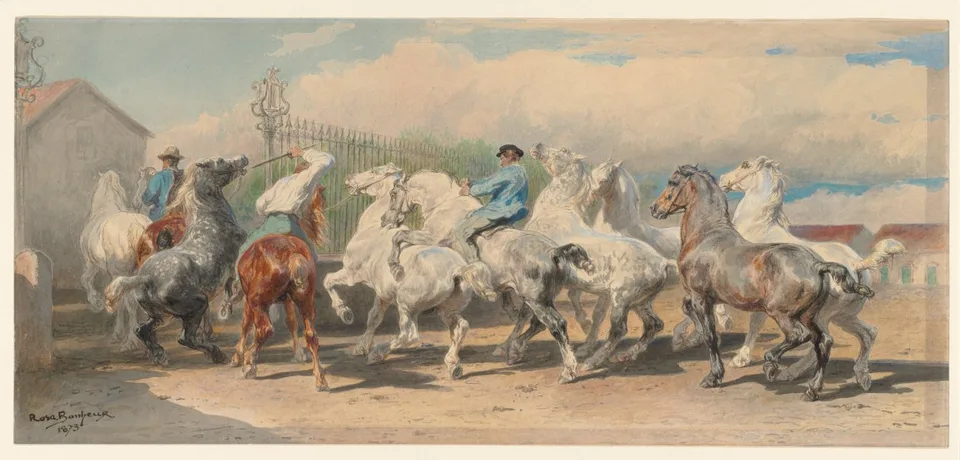
Bodies at rest and in motion ↗
Movement can be implied by a lifted hoof, drapery or an unnoticed prank.
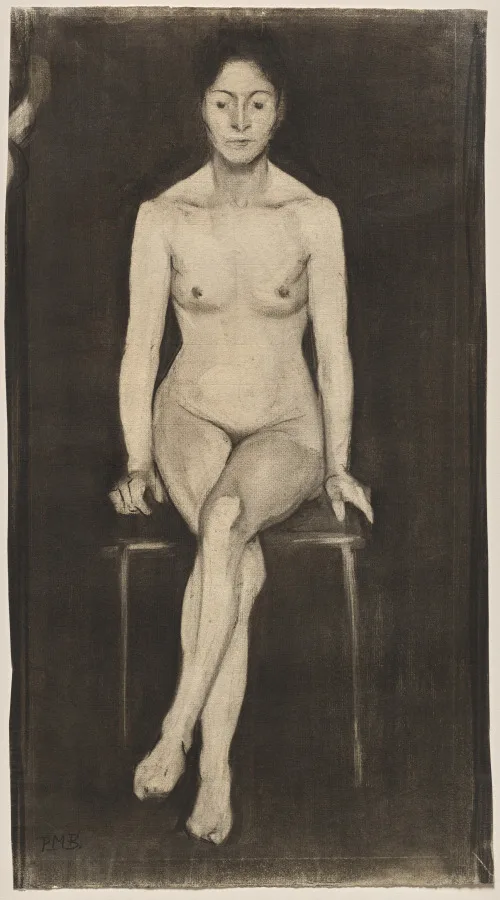
Portrait clues and uncertainty ↗
Faces, costumes and objects tell us different things about identity.
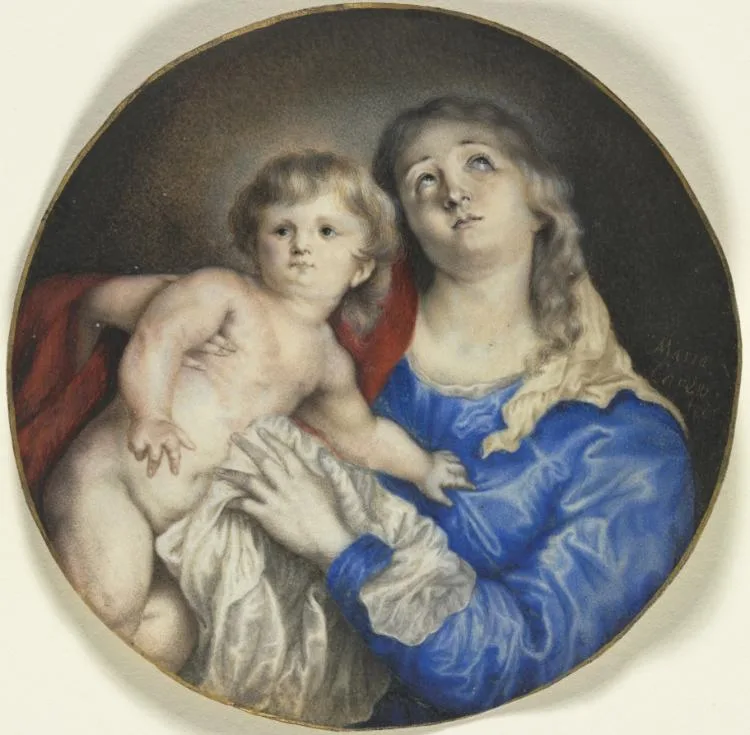
Small actions, sacred stories ↗
Holding, crowning, sewing and waiting connect bodies to larger narratives.
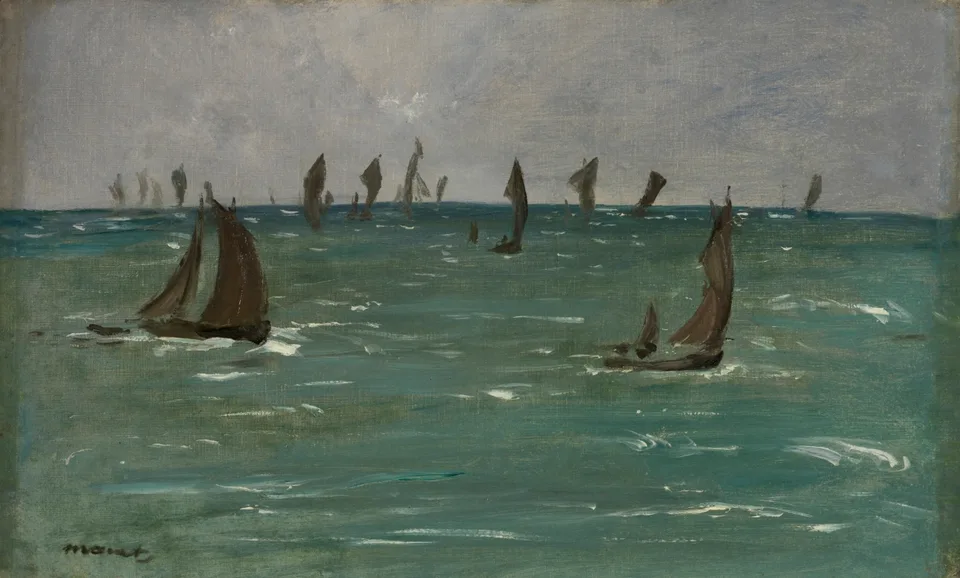
Building a landscape ↗
Distance emerges through marks, scale, edges and degrees of finish.
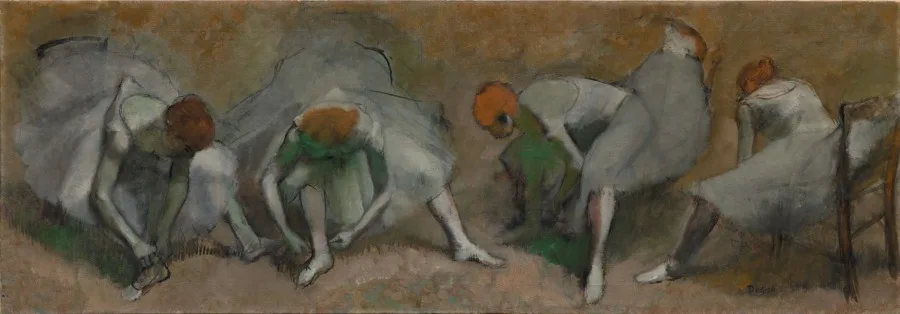
The work behind a scene ↗
Preparation, props and settings complicate the appearance of effortless display.
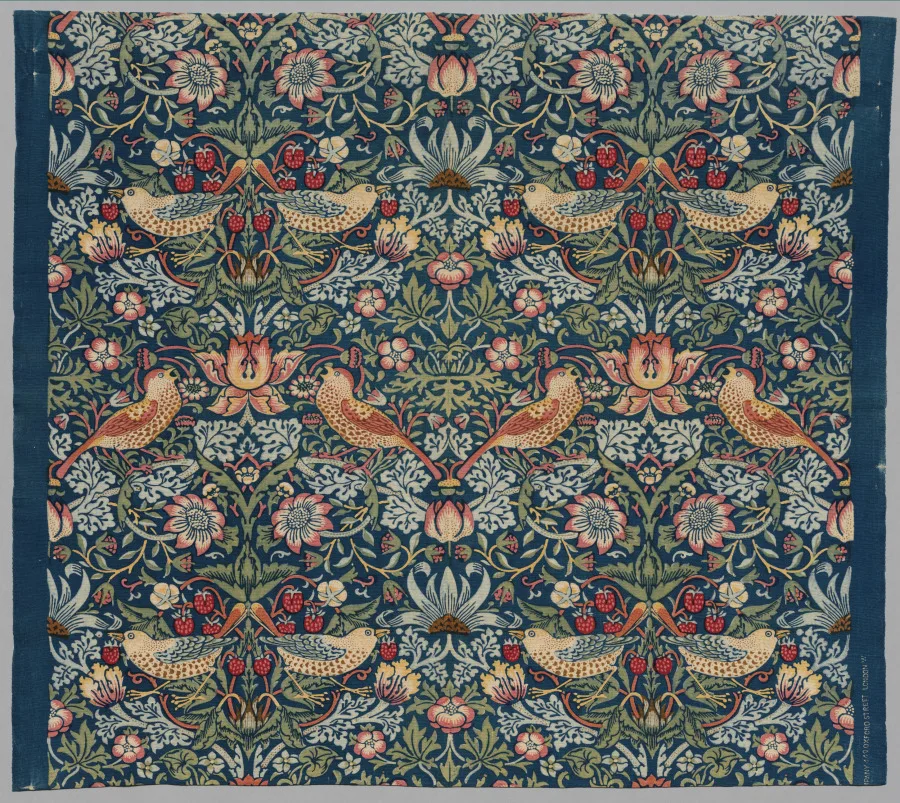
What surfaces can do ↗
Printed cotton, woven wool, glass in paint, and ink ask for different kinds of looking.
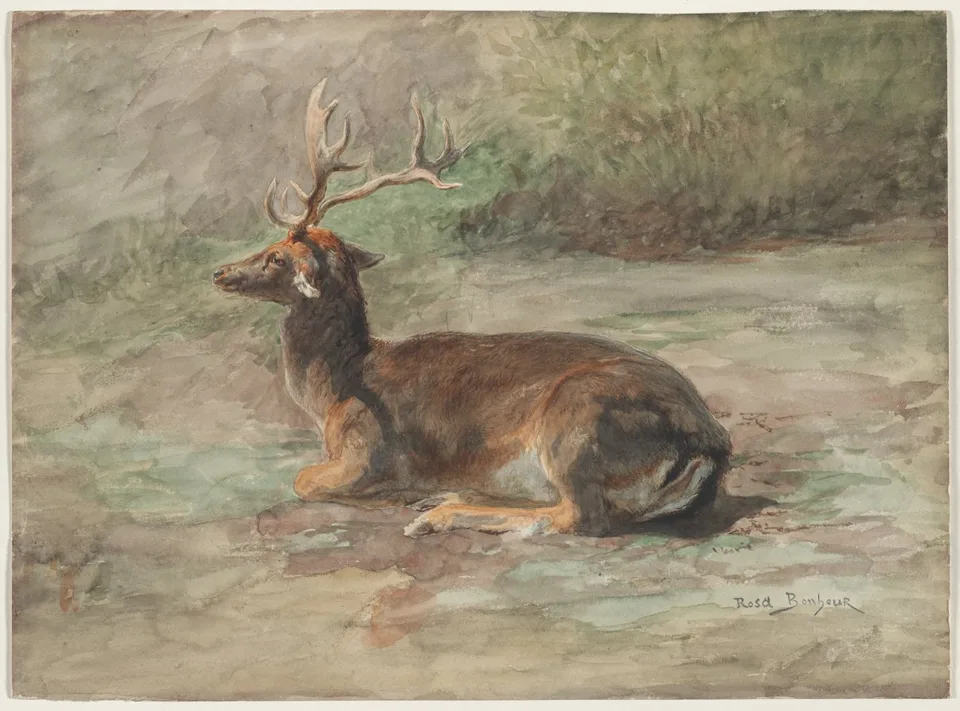
Nature observed and arranged ↗
A stag, a jungle, a mountain and a textile take different routes from nature into art.
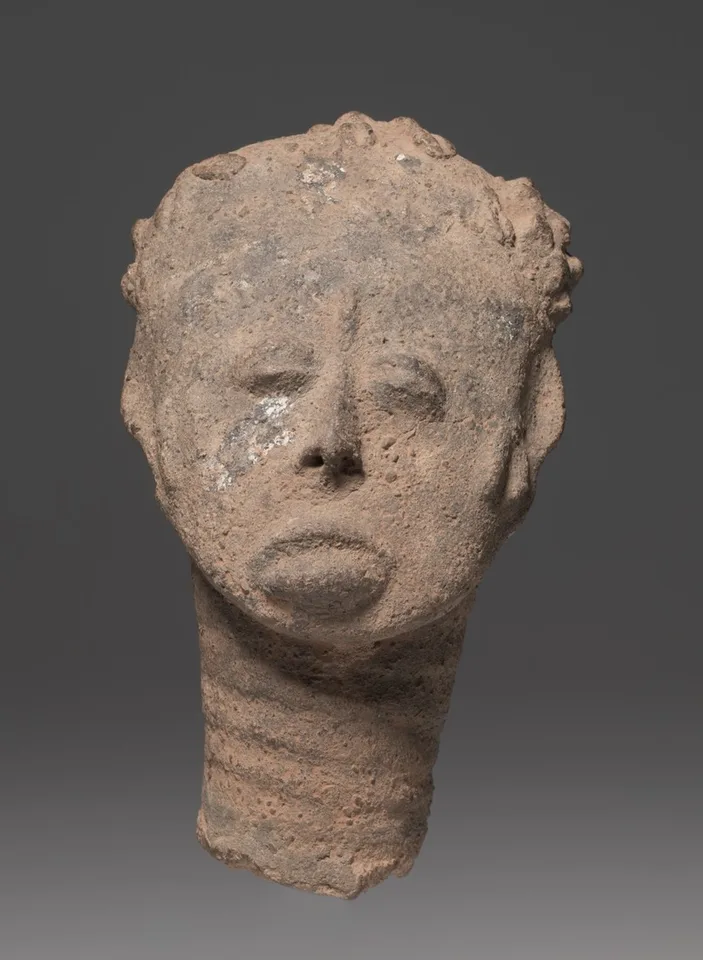
Bodies held and remembered ↗
Five objects shaped by bodily presence, contact and commemoration.
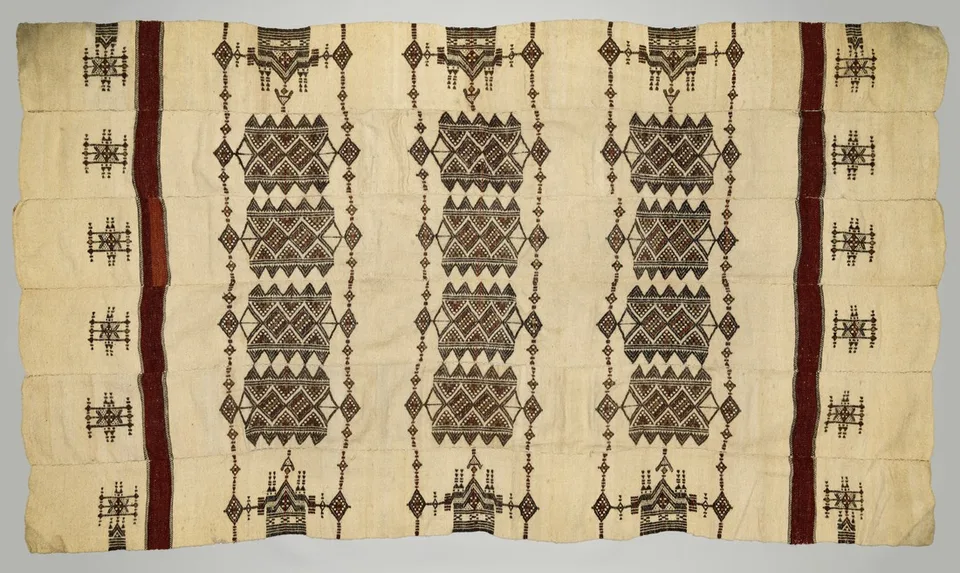
Surfaces made to work ↗
Follow weaving, vibration, carving and repair across five materials.
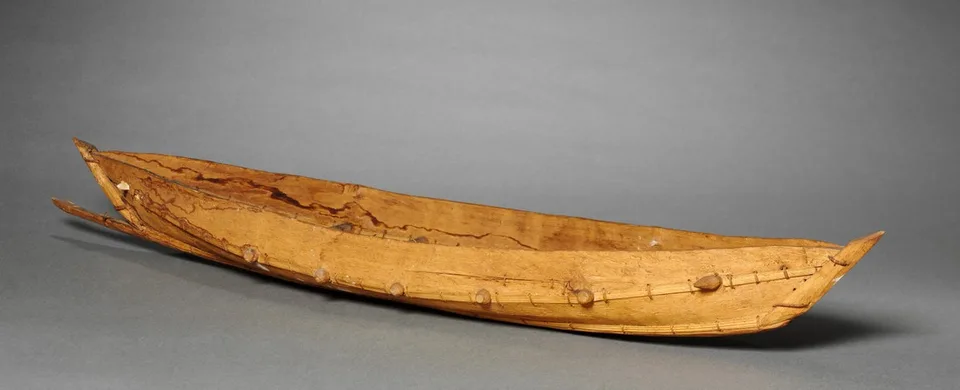
Figures with a purpose ↗
From a model boat and comb to divination and ancestral images.
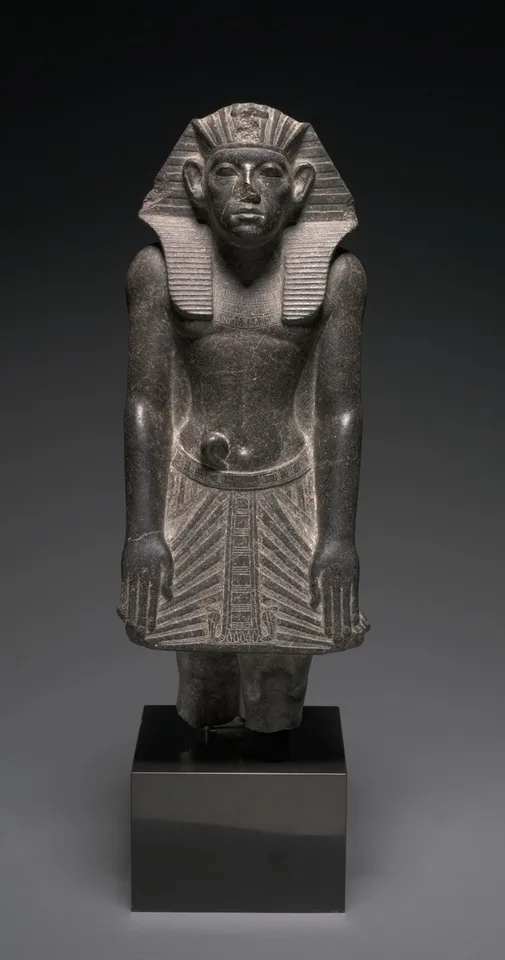
Bodies and roles in Egyptian images ↗
Ears, scale, carried objects and gilding make different kinds of identity visible.
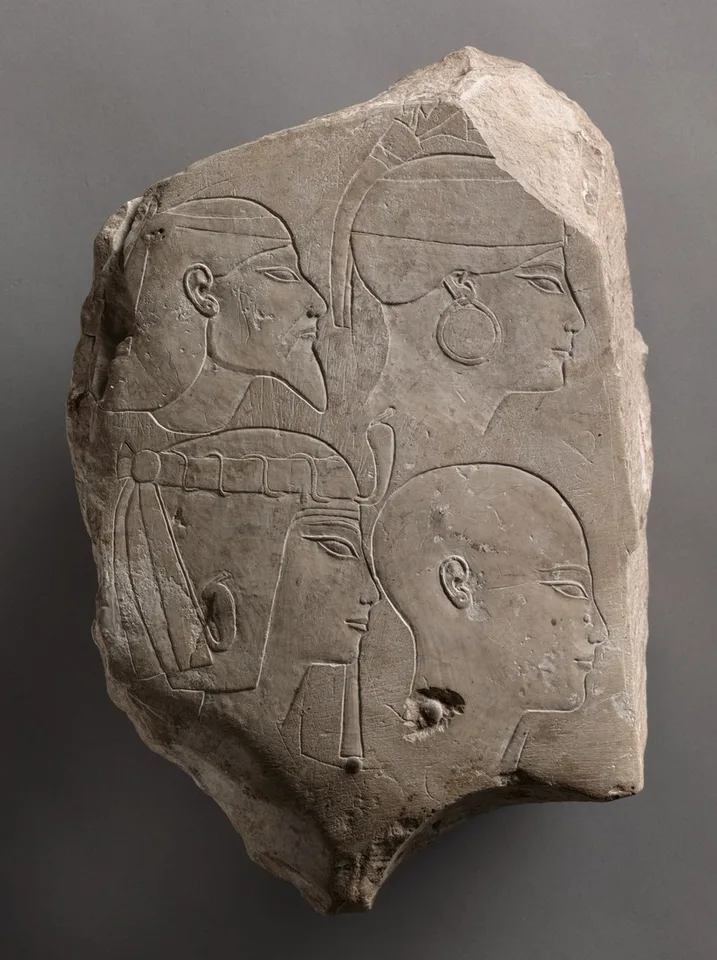
Working a small surface ↗
Five ways to divide a modest object between image and practical use.
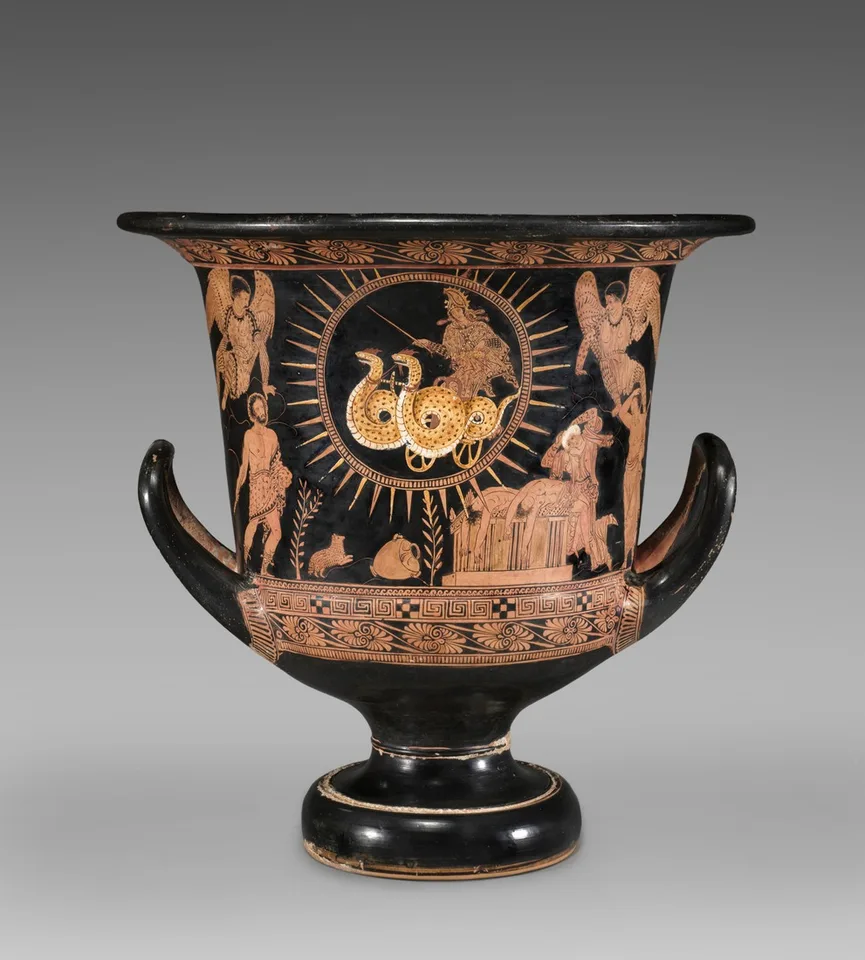
What a posture can tell ↗
Six ancient figures use carrying, sitting, reaching and preparation in different ways.
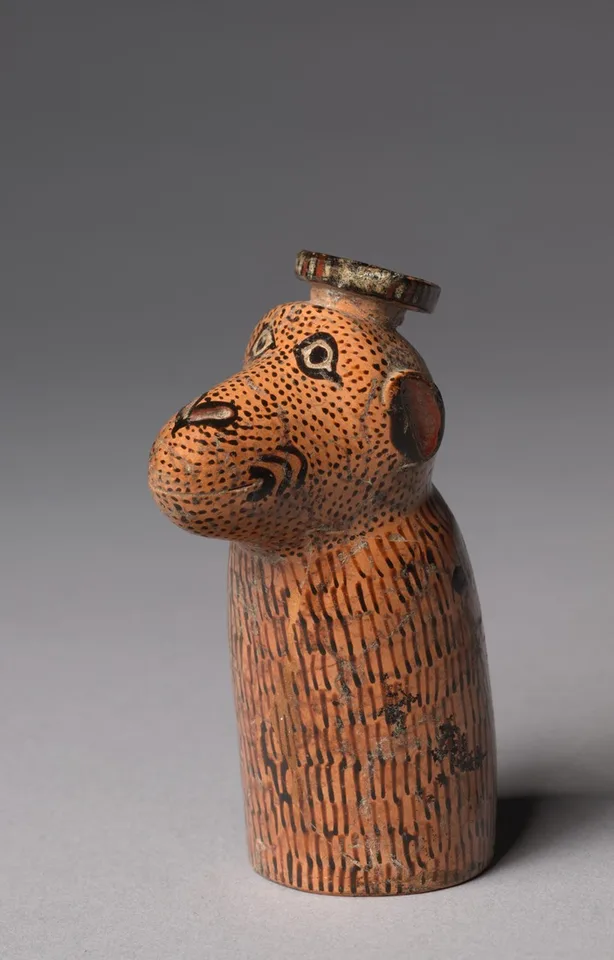
Figures put to work ↗
Animal vessels, an altered portrait, a roof tile and a reused bronze head.
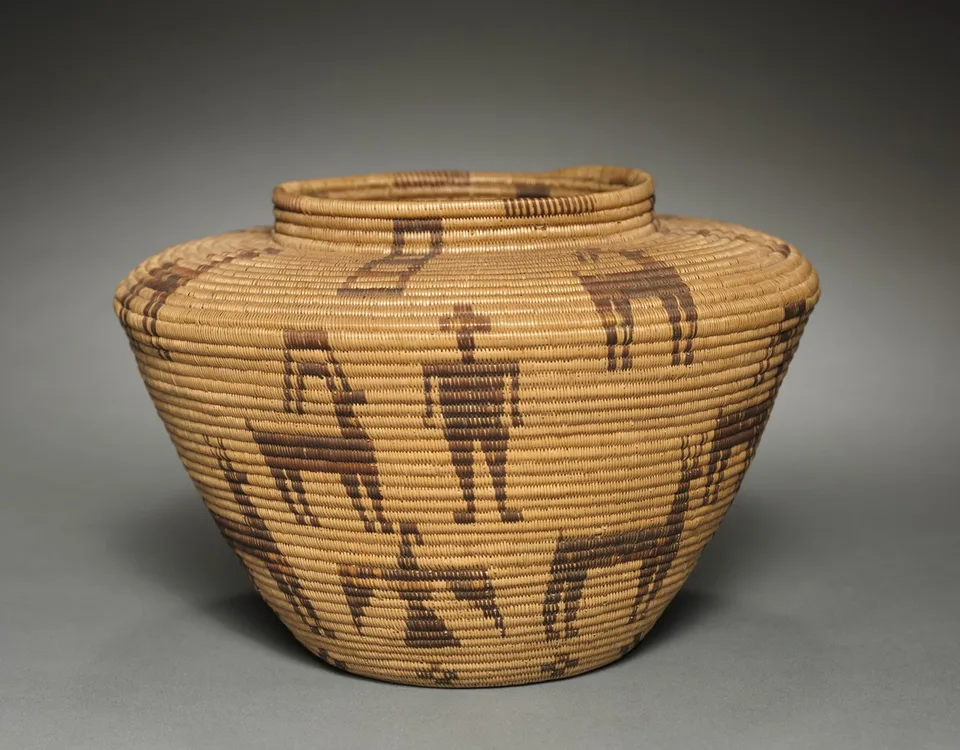
Containers with presence ↗
Five vessels carry basketry figures, faces, architecture and an animal body.
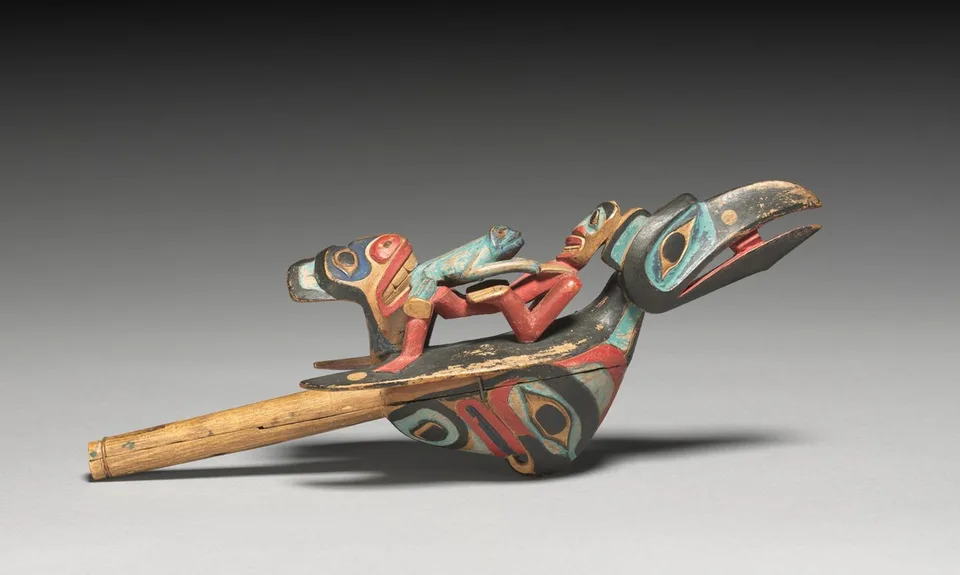
Carried images and emblems ↗
Five objects connect imagery with gripping, wearing and attachment.
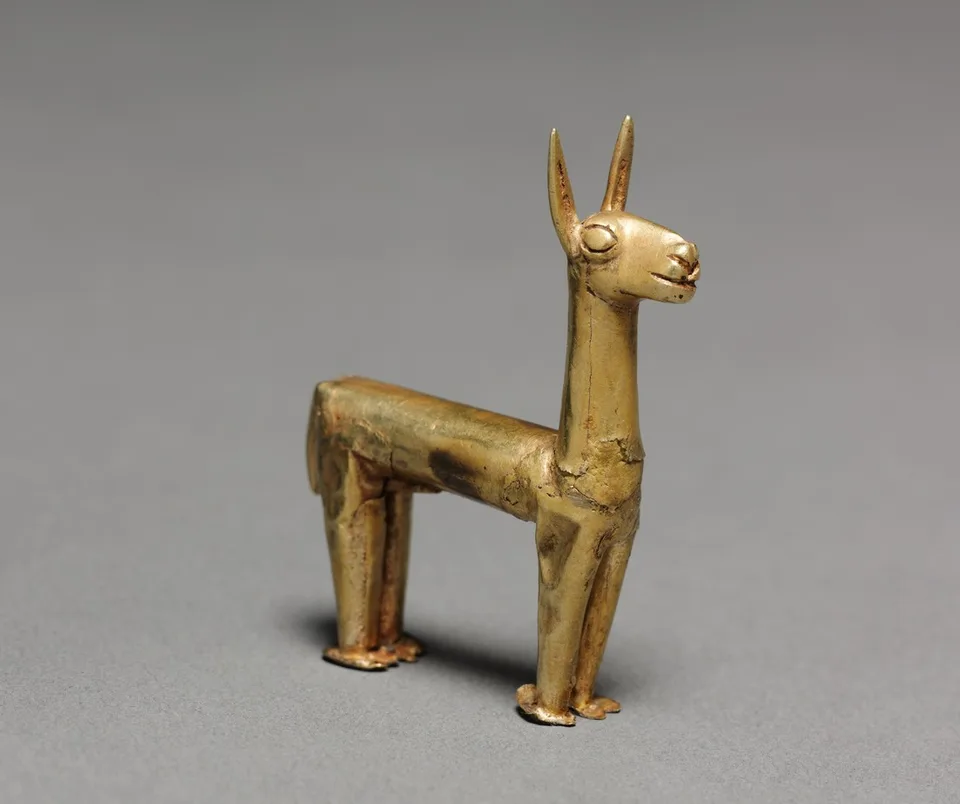
Small forms, open questions ↗
Four legible images whose exact settings or meanings remain unresolved.
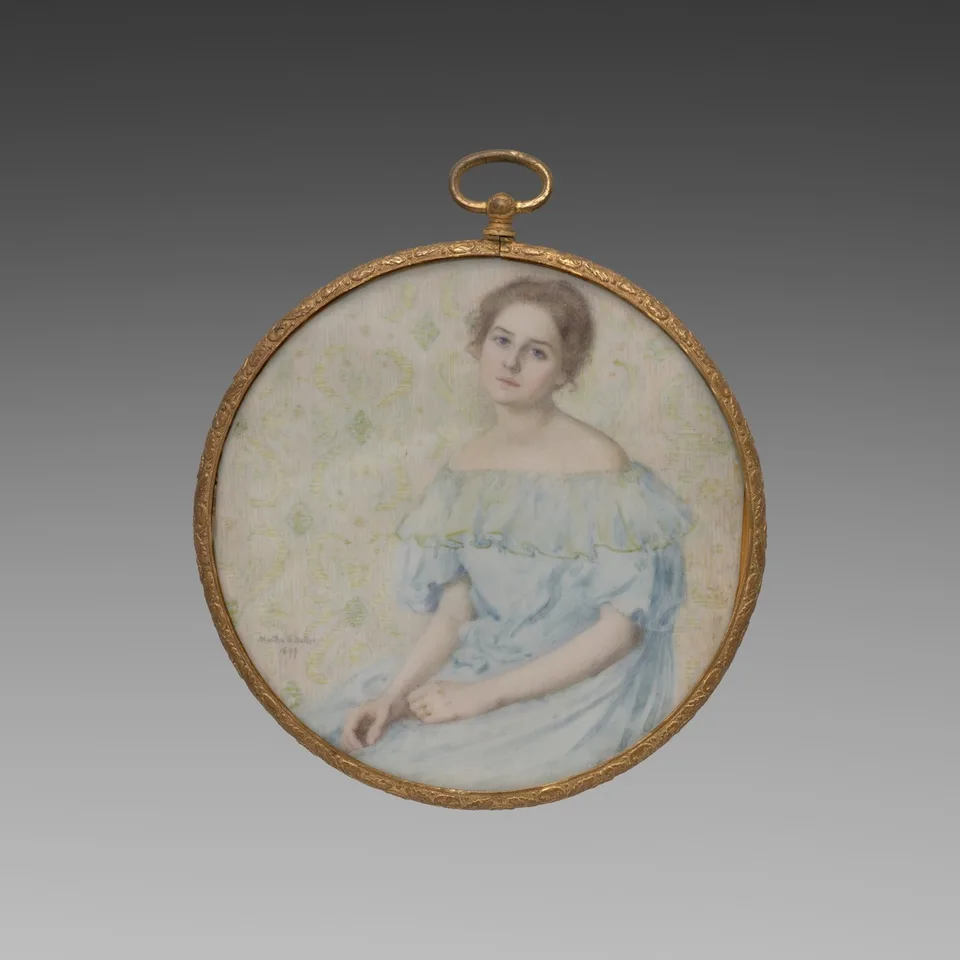
Faces, frames and viewing distance ↗
From intimate miniatures to a figure designed for a skyline.
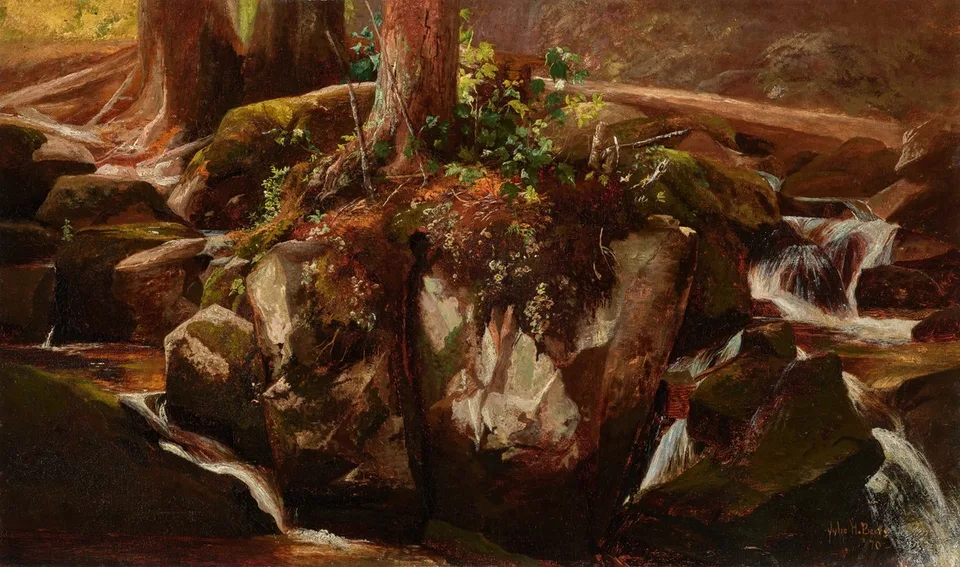
Nature and human choices ↗
Close observation, panoramic views, construction and an arranged encounter with birds.
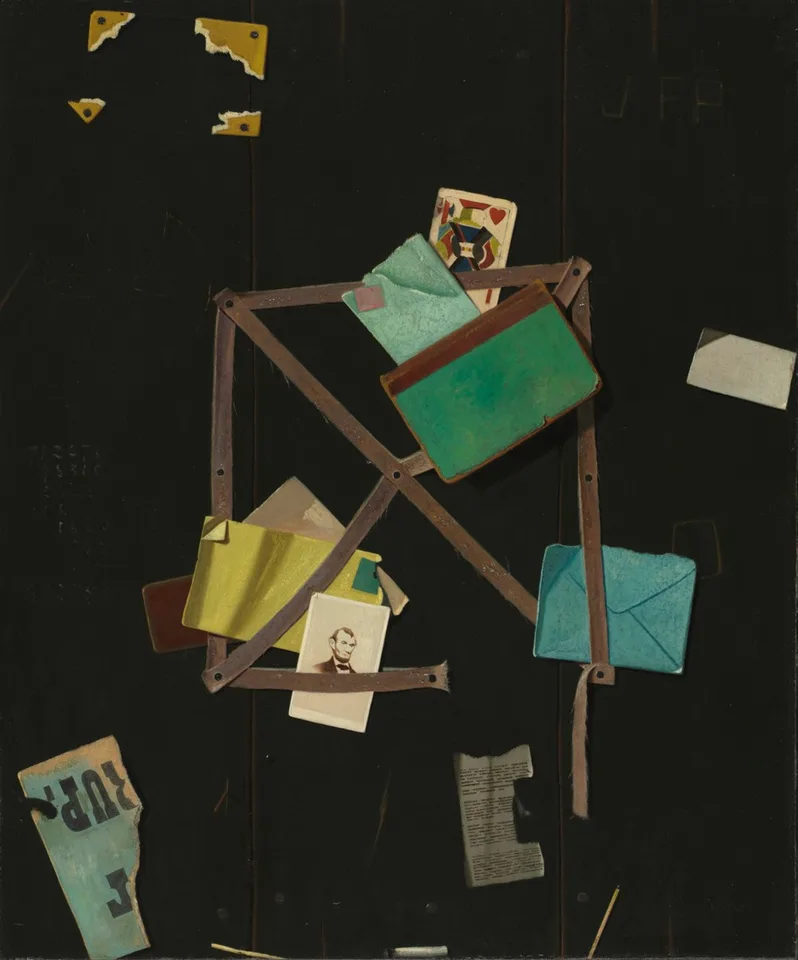
Arranging attention ↗
Four paintings use overlap, light, balance and repeated colour to guide looking.
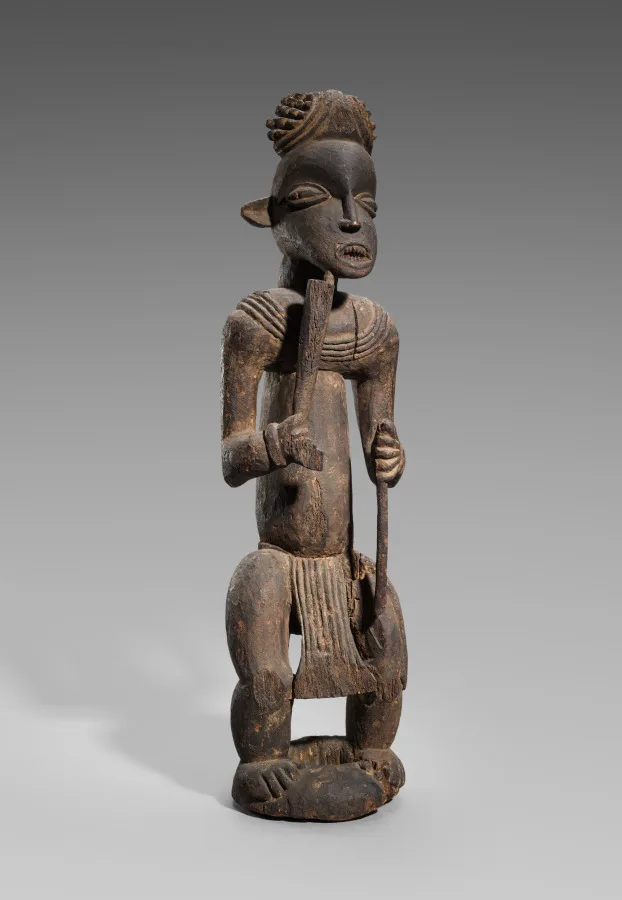
Rank in the details ↗
Five distinct ways to make authority visible.
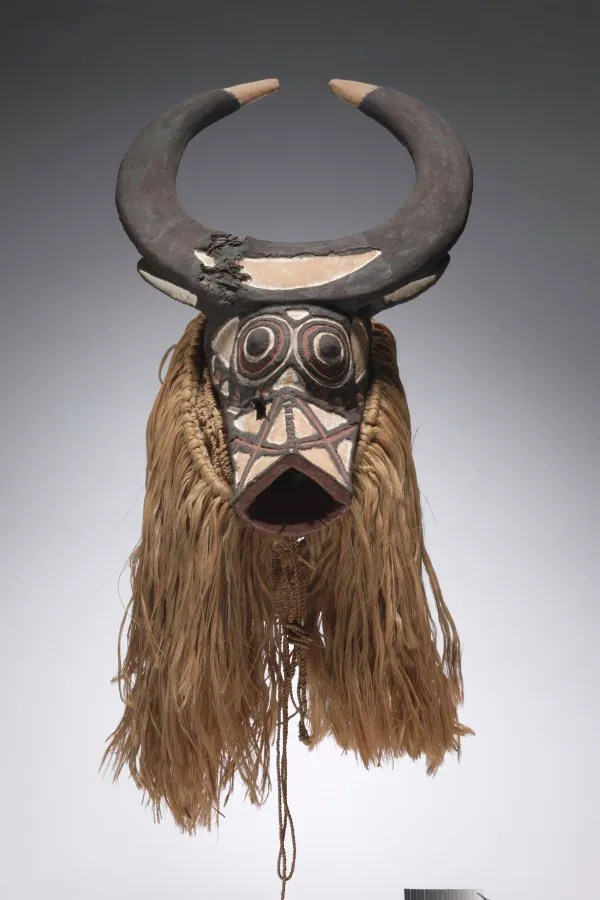
Beyond an animal name ↗
Silhouettes, attachments and sound expand five performed forms.
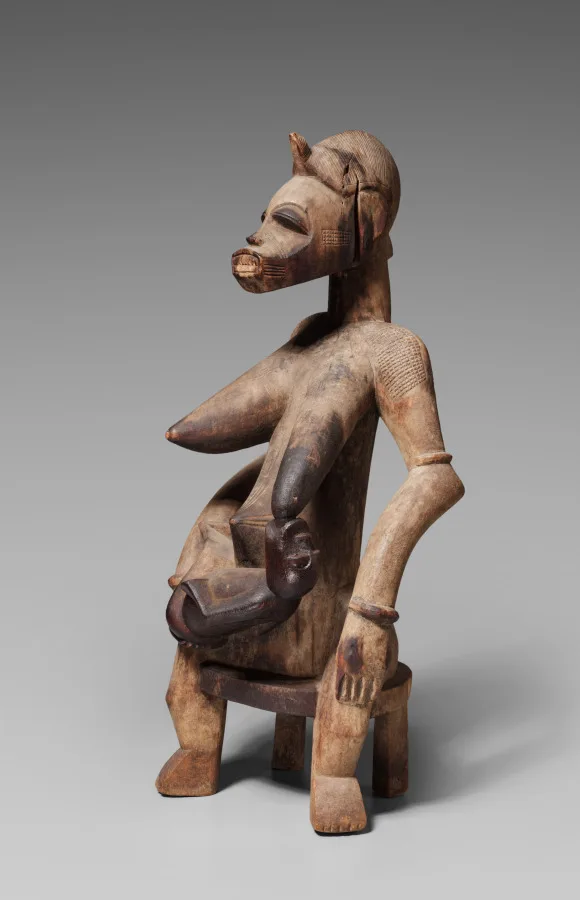
Care and containment ↗
Four sculptures and ornaments connect visible forms with partly hidden work.
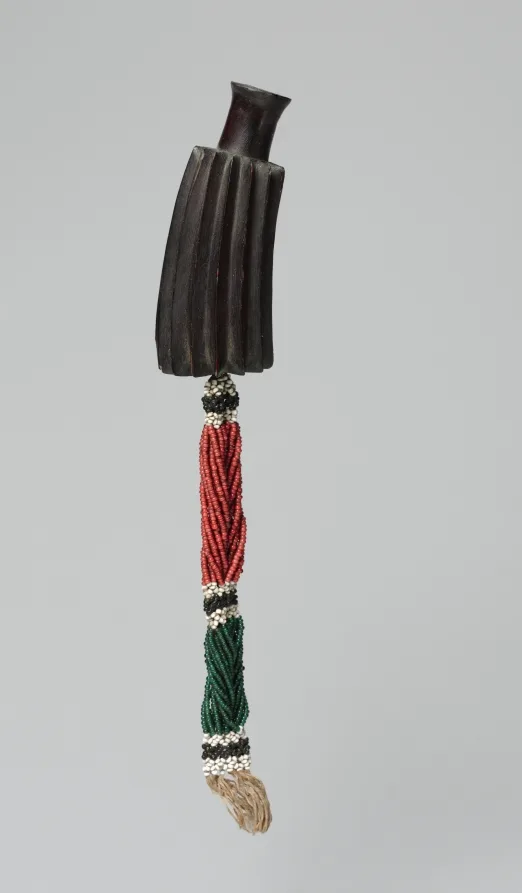
Objects meet bodies ↗
Handling, wearing and serving leave different kinds of evidence.
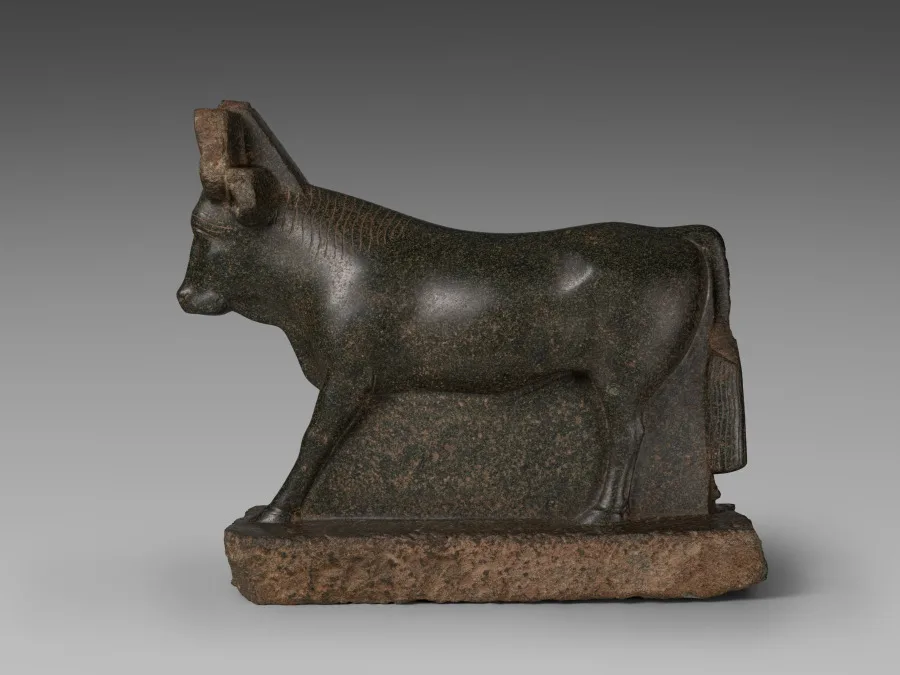
Egyptian identifying attributes ↗
A crown or gesture can carry more evidence than a face.
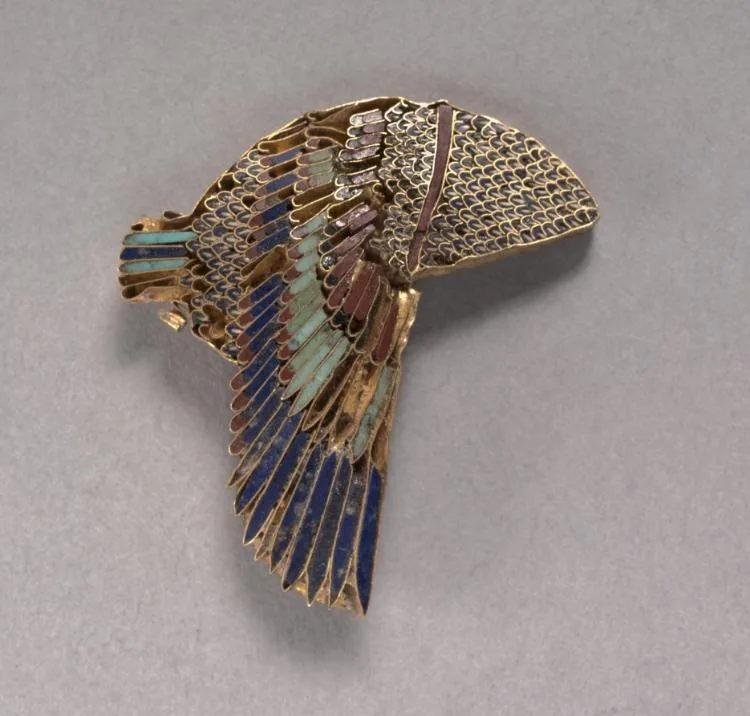
Surfaces that do work ↗
Four Egyptian objects make colour, reflection, carving and enclosure active.
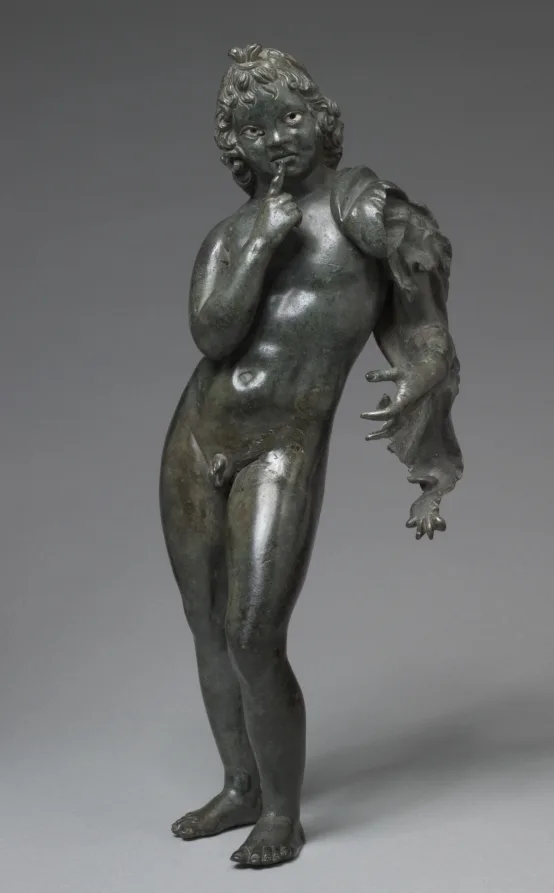
Ancient bodies and names ↗
Six Mediterranean figures offer different strengths of identification.
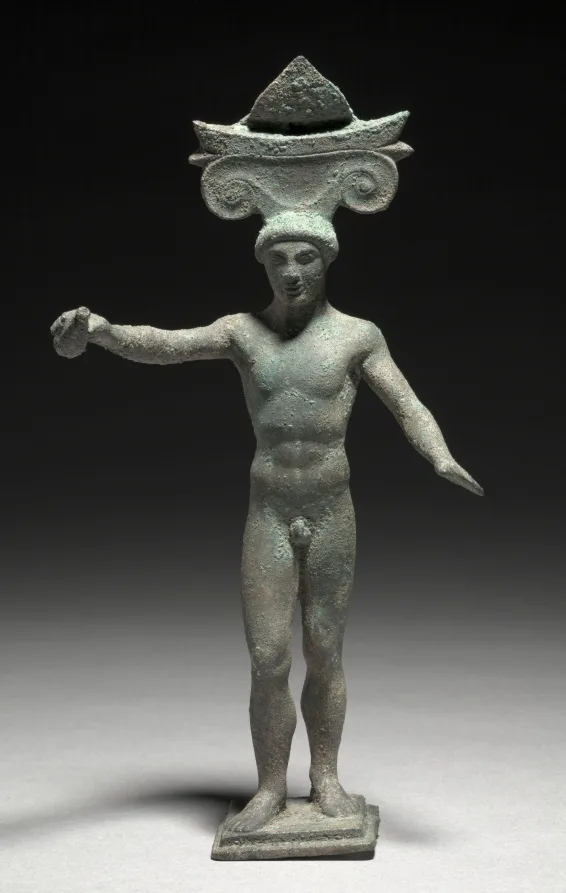
Small forms, larger functions ↗
Six Mediterranean objects turn attention toward use and attachment.
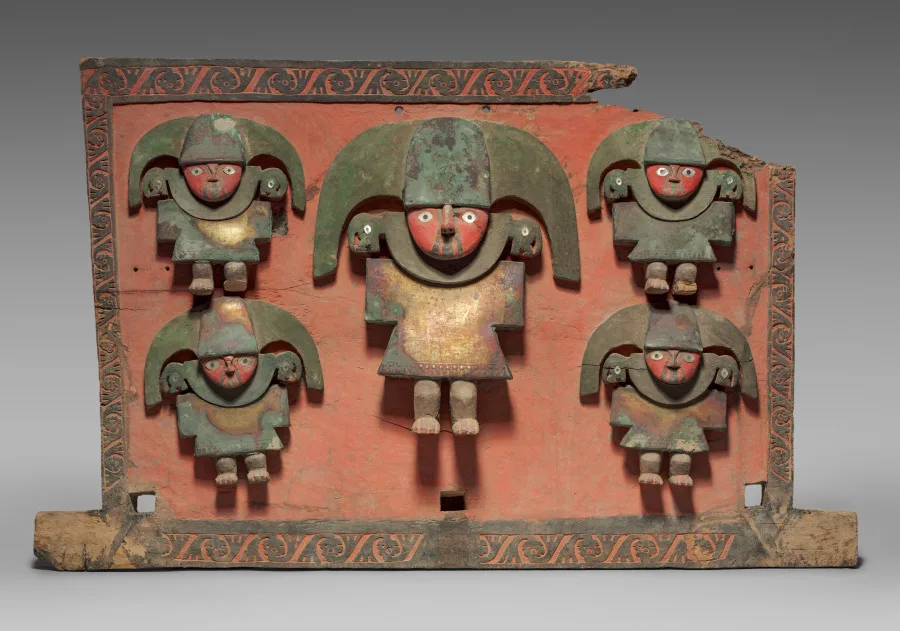
Figures of standing ↗
Five American works make a person’s presence conspicuous.
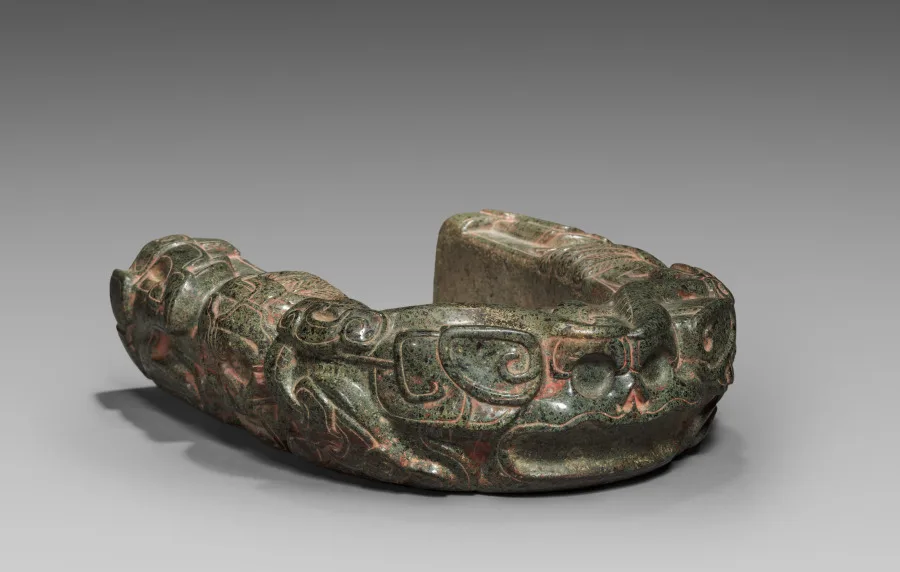
Animal forms in four settings ↗
Carving, casting, hammering and painting transform bodies into images.
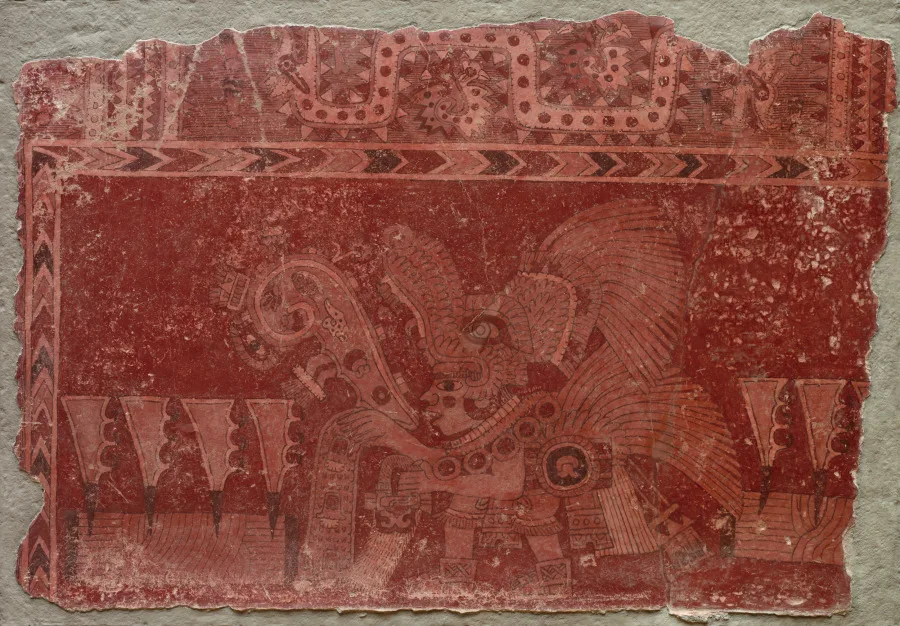
Reading what survives ↗
Four American works ask us to separate evidence from reconstruction.